Naira ends week flat as reserves keep rising
The naira ended the week largely stable across foreign exchange (FX) market segments on Friday, the first trading day of read more Naira ends week flat as reserves keep rising
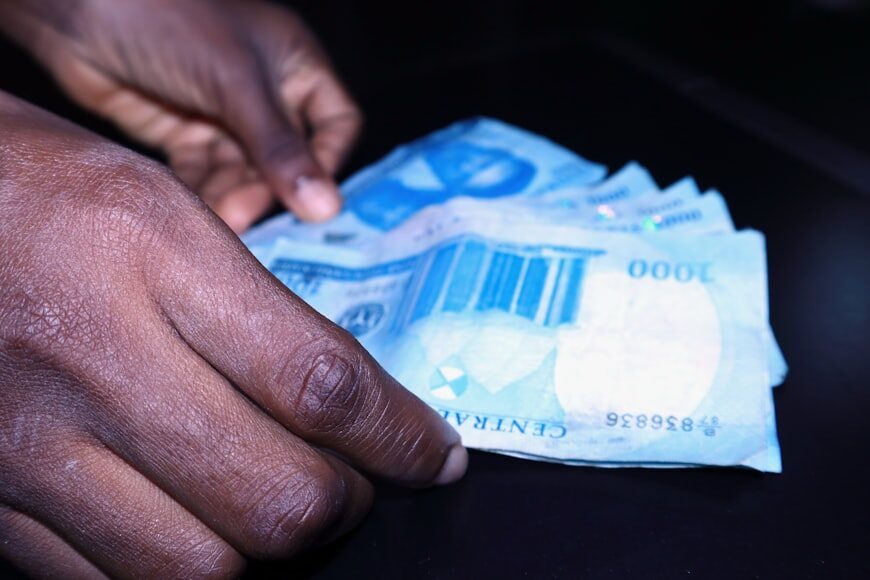
The naira ended the week largely stable across foreign exchange (FX) market segments on Friday, the first trading day of October 2026, as Nigeria’s external reserves sustained their upward trajectory. Data published by the Central Bank of Nigeria (CBN) showed that the naira depreciated marginally by 58 kobo week-on-week, as the dollar was quoted at N1,330.09 on Friday, compared with N1,329.51 recorded on Friday last week at the Nigerian Foreign Exchange Market (NFEM). On a day-on-day basis, the local currency lost 93 kobo against the dollar from N1,329.16 recorded on Wednesday, the last trading day before the Independence Day holiday on Thursday. However, across the four trading days, the naira appreciated marginally by N1.24 from N1,331.33 quoted on Monday, the beginning of the week. In the parallel market, also known as the black market, the naira traded flat, appreciating by 0.36 percent week-on-week to close at N1,380 per dollar, compared with N1,385 recorded a week earlier. Consequently, the gap between the official and parallel market exchange rates narrowed to N50, or 3.76 percent, from N57, or 4.28 percent, last week. Read also: Naira records gains in black market despite rate cut Trading activity moderated during the four-day week, with total turnover at the interbank segment of the FX market declining by 38.34 percent to $438.91 million, compared with $711.79 million recorded in the previous week. The number of deals also declined to 327 from 626 recorded a week earlier. Similarly, total turnover at the NFEM window fell to $1.27 billion on Wednesday from $2.70 billion recorded in the previous week, while the number of deals dropped to 819 from 1,641. Meanwhile, Nigeria’s external reserves, which provide the CBN with the capacity to support the naira and meet the country’s external obligations, maintained their steady growth trajectory, rising to $54.92 billion as of September 29, 2026. This represents a 29.72 percent increase from $42.33 billion recorded in the corresponding period of 2025, strengthening the country’s external buffers. Muhammad Sani Abdullahi, CBN deputy governor, Corporate Services, said the foreign exchange market had recorded greater stability three years into the reforms. “Three years on, the foreign exchange market is showing greater stability. The average gap between official and parallel rates fell from 68.2 percent in January to May 2023 to less than 2 percent. The narrower gap gives businesses a more reliable basis for pricing and planning,” he said. Read also: Naira ends week broadly stable after MPR reset He said the sources of foreign exchange supply had also changed, with autonomous sources accounting for a larger share of inflows. Of the $10.82 billion in total inflows recorded in July 2026, $7.33 billion, representing nearly 68 percent, came from autonomous sources, while remittances through International Money Transfer Operators reached $950 million during the month. Net foreign portfolio inflows totalled $6.31 billion between January and August 2026, reflecting increased foreign investor participation in the market. Although portfolio flows remain susceptible to reversals, Abdullahi said the broader improvement in foreign exchange supply had reduced the market’s reliance on direct CBN intervention. He added that the country’s external buffers had strengthened, with gross reserves standing at $55.60 billion as of September 11, 2026, while the end-August reserve position provided 11.3 months of import cover. Related News Anambra moves to streamline law enforcement, reclaim occupied government lands Energy zones and what it means for Nigeria’s power sector 20 die in Plateau road crash Hope Moses-Ashike Hope Moses-Ashike is an Associate Editor, Banking and Finance, with more than a decade of experience reporting on Nigeria’s financial system and broader economy. She closely tracks market movements, monetary policy decisions, company disclosures, regulatory actions, economic indicators, and global developments, and interprets what they mean for businesses, investors, policymakers, and households. Her reporting helps readers understand complex issues such as inflation trends, foreign exchange market dynamics, interest rate decisions, bank performance, and investment risks. She also covers major international events and periodically travels to Washington, D.C., to report on the World Bank/IMF Spring and Annual Meetings. Her dedication to financial journalism has earned her multiple recognitions and invitations to high-level professional development programmes. She is an alumna of the International Visitors Leadership Programme (IVLP) in the United States and holds an Advanced Financial Journalism Certificate from the Press Association Training in London, UK. Her other notable achievements include completing the Lagos Business School CMC Programme, the Bloomberg Media Africa Initiative Programme, and a Master Class in Journalism at Rhodes University in South Africa. Share
Data published by the Central Bank of Nigeria (CBN) showed that the naira depreciated marginally by 58 kobo week-on-week, as the dollar was quoted at N1,330.09 on Friday, compared with N1,329.51 recorded on Friday last week at the Nigerian Foreign Exchange Market (NFEM). On a day-on-day basis, the local currency lost 93 kobo against the dollar from N1,329.16 recorded on Wednesday, the last trading day before the Independence Day holiday on Thursday. However, across the four trading days, the naira appreciated marginally by N1.24 from N1,331.33 quoted on Monday, the beginning of the week. In the parallel market, also known as the black market, the naira traded flat, appreciating by 0.36 percent week-on-week to close at N1,380 per dollar, compared with N1,385 recorded a week earlier. Consequently, the gap between the official and parallel market exchange rates narrowed to N50, or 3.76 percent, from N57, or 4.28 percent, last week. Read also: Naira records gains in black market despite rate cut Trading activity moderated during the four-day week, with total turnover at the interbank segment of the FX market declining by 38.34 percent to $438.91 million, compared with $711.79 million recorded in the previous week. The number of deals also declined to 327 from 626 recorded a week earlier. Similarly, total turnover at the NFEM window fell to $1.27 billion on Wednesday from $2.70 billion recorded in the previous week, while the number of deals dropped to 819 from 1,641. Meanwhile, Nigeria’s external reserves, which provide the CBN with the capacity to support the naira and meet the country’s external obligations, maintained their steady growth trajectory, rising to $54.92 billion as of September 29, 2026. This represents a 29.72 percent increase from $42.33 billion recorded in the corresponding period of 2025, strengthening the country’s external buffers. Muhammad Sani Abdullahi, CBN deputy governor, Corporate Services, said the foreign exchange market had recorded greater stability three years into the reforms. “Three years on, the foreign exchange market is showing greater stability. The average gap between official and parallel rates fell from 68.2 percent in January to May 2023 to less than 2 percent. The narrower gap gives businesses a more reliable basis for pricing and planning,” he said. Read also: Naira ends week broadly stable after MPR reset He said the sources of foreign exchange supply had also changed, with autonomous sources accounting for a larger share of inflows. Of the $10.82 billion in total inflows recorded in July 2026, $7.33 billion, representing nearly 68 percent, came from autonomous sources, while remittances through International Money Transfer Operators reached $950 million during the month. Net foreign portfolio inflows totalled $6.31 billion between January and August 2026, reflecting increased foreign investor participation in the market. Although portfolio flows remain susceptible to reversals, Abdullahi said the broader improvement in foreign exchange supply had reduced the market’s reliance on direct CBN intervention. He added that the country’s external buffers had strengthened, with gross reserves standing at $55.60 billion as of September 11, 2026, while the end-August reserve position provided 11.3 months of import cover. Related News Anambra moves to streamline law enforcement, reclaim occupied government lands Energy zones and what it means for Nigeria’s power sector 20 die in Plateau road crash Hope Moses-Ashike Hope Moses-Ashike is an Associate Editor, Banking and Finance, with more than a decade of experience reporting on Nigeria’s financial system and broader economy. She closely tracks market movements, monetary policy decisions, company disclosures, regulatory actions, economic indicators, and global developments, and interprets what they mean for businesses, investors, policymakers, and households. Her reporting helps readers understand complex issues such as inflation trends, foreign exchange market dynamics, interest rate decisions, bank performance, and investment risks. She also covers major international events and periodically travels to Washington, D.C., to report on the World Bank/IMF Spring and Annual Meetings. Her dedication to financial journalism has earned her multiple recognitions and invitations to high-level professional development programmes. She is an alumna of the International Visitors Leadership Programme (IVLP) in the United States and holds an Advanced Financial Journalism Certificate from the Press Association Training in London, UK. Her other notable achievements include completing the Lagos Business School CMC Programme, the Bloomberg Media Africa Initiative Programme, and a Master Class in Journalism at Rhodes University in South Africa. Share
On a day-on-day basis, the local currency lost 93 kobo against the dollar from N1,329.16 recorded on Wednesday, the last trading day before the Independence Day holiday on Thursday. However, across the four trading days, the naira appreciated marginally by N1.24 from N1,331.33 quoted on Monday, the beginning of the week. In the parallel market, also known as the black market, the naira traded flat, appreciating by 0.36 percent week-on-week to close at N1,380 per dollar, compared with N1,385 recorded a week earlier. Consequently, the gap between the official and parallel market exchange rates narrowed to N50, or 3.76 percent, from N57, or 4.28 percent, last week. Read also: Naira records gains in black market despite rate cut Trading activity moderated during the four-day week, with total turnover at the interbank segment of the FX market declining by 38.34 percent to $438.91 million, compared with $711.79 million recorded in the previous week. The number of deals also declined to 327 from 626 recorded a week earlier. Similarly, total turnover at the NFEM window fell to $1.27 billion on Wednesday from $2.70 billion recorded in the previous week, while the number of deals dropped to 819 from 1,641. Meanwhile, Nigeria’s external reserves, which provide the CBN with the capacity to support the naira and meet the country’s external obligations, maintained their steady growth trajectory, rising to $54.92 billion as of September 29, 2026. This represents a 29.72 percent increase from $42.33 billion recorded in the corresponding period of 2025, strengthening the country’s external buffers. Muhammad Sani Abdullahi, CBN deputy governor, Corporate Services, said the foreign exchange market had recorded greater stability three years into the reforms. “Three years on, the foreign exchange market is showing greater stability. The average gap between official and parallel rates fell from 68.2 percent in January to May 2023 to less than 2 percent. The narrower gap gives businesses a more reliable basis for pricing and planning,” he said. Read also: Naira ends week broadly stable after MPR reset He said the sources of foreign exchange supply had also changed, with autonomous sources accounting for a larger share of inflows. Of the $10.82 billion in total inflows recorded in July 2026, $7.33 billion, representing nearly 68 percent, came from autonomous sources, while remittances through International Money Transfer Operators reached $950 million during the month. Net foreign portfolio inflows totalled $6.31 billion between January and August 2026, reflecting increased foreign investor participation in the market. Although portfolio flows remain susceptible to reversals, Abdullahi said the broader improvement in foreign exchange supply had reduced the market’s reliance on direct CBN intervention. He added that the country’s external buffers had strengthened, with gross reserves standing at $55.60 billion as of September 11, 2026, while the end-August reserve position provided 11.3 months of import cover. Related News Anambra moves to streamline law enforcement, reclaim occupied government lands Energy zones and what it means for Nigeria’s power sector 20 die in Plateau road crash Hope Moses-Ashike Hope Moses-Ashike is an Associate Editor, Banking and Finance, with more than a decade of experience reporting on Nigeria’s financial system and broader economy. She closely tracks market movements, monetary policy decisions, company disclosures, regulatory actions, economic indicators, and global developments, and interprets what they mean for businesses, investors, policymakers, and households. Her reporting helps readers understand complex issues such as inflation trends, foreign exchange market dynamics, interest rate decisions, bank performance, and investment risks. She also covers major international events and periodically travels to Washington, D.C., to report on the World Bank/IMF Spring and Annual Meetings. Her dedication to financial journalism has earned her multiple recognitions and invitations to high-level professional development programmes. She is an alumna of the International Visitors Leadership Programme (IVLP) in the United States and holds an Advanced Financial Journalism Certificate from the Press Association Training in London, UK. Her other notable achievements include completing the Lagos Business School CMC Programme, the Bloomberg Media Africa Initiative Programme, and a Master Class in Journalism at Rhodes University in South Africa. Share
However, across the four trading days, the naira appreciated marginally by N1.24 from N1,331.33 quoted on Monday, the beginning of the week. In the parallel market, also known as the black market, the naira traded flat, appreciating by 0.36 percent week-on-week to close at N1,380 per dollar, compared with N1,385 recorded a week earlier. Consequently, the gap between the official and parallel market exchange rates narrowed to N50, or 3.76 percent, from N57, or 4.28 percent, last week. Read also: Naira records gains in black market despite rate cut Trading activity moderated during the four-day week, with total turnover at the interbank segment of the FX market declining by 38.34 percent to $438.91 million, compared with $711.79 million recorded in the previous week. The number of deals also declined to 327 from 626 recorded a week earlier. Similarly, total turnover at the NFEM window fell to $1.27 billion on Wednesday from $2.70 billion recorded in the previous week, while the number of deals dropped to 819 from 1,641. Meanwhile, Nigeria’s external reserves, which provide the CBN with the capacity to support the naira and meet the country’s external obligations, maintained their steady growth trajectory, rising to $54.92 billion as of September 29, 2026. This represents a 29.72 percent increase from $42.33 billion recorded in the corresponding period of 2025, strengthening the country’s external buffers. Muhammad Sani Abdullahi, CBN deputy governor, Corporate Services, said the foreign exchange market had recorded greater stability three years into the reforms. “Three years on, the foreign exchange market is showing greater stability. The average gap between official and parallel rates fell from 68.2 percent in January to May 2023 to less than 2 percent. The narrower gap gives businesses a more reliable basis for pricing and planning,” he said. Read also: Naira ends week broadly stable after MPR reset He said the sources of foreign exchange supply had also changed, with autonomous sources accounting for a larger share of inflows. Of the $10.82 billion in total inflows recorded in July 2026, $7.33 billion, representing nearly 68 percent, came from autonomous sources, while remittances through International Money Transfer Operators reached $950 million during the month. Net foreign portfolio inflows totalled $6.31 billion between January and August 2026, reflecting increased foreign investor participation in the market. Although portfolio flows remain susceptible to reversals, Abdullahi said the broader improvement in foreign exchange supply had reduced the market’s reliance on direct CBN intervention. He added that the country’s external buffers had strengthened, with gross reserves standing at $55.60 billion as of September 11, 2026, while the end-August reserve position provided 11.3 months of import cover. Related News Anambra moves to streamline law enforcement, reclaim occupied government lands Energy zones and what it means for Nigeria’s power sector 20 die in Plateau road crash Hope Moses-Ashike Hope Moses-Ashike is an Associate Editor, Banking and Finance, with more than a decade of experience reporting on Nigeria’s financial system and broader economy. She closely tracks market movements, monetary policy decisions, company disclosures, regulatory actions, economic indicators, and global developments, and interprets what they mean for businesses, investors, policymakers, and households. Her reporting helps readers understand complex issues such as inflation trends, foreign exchange market dynamics, interest rate decisions, bank performance, and investment risks. She also covers major international events and periodically travels to Washington, D.C., to report on the World Bank/IMF Spring and Annual Meetings. Her dedication to financial journalism has earned her multiple recognitions and invitations to high-level professional development programmes. She is an alumna of the International Visitors Leadership Programme (IVLP) in the United States and holds an Advanced Financial Journalism Certificate from the Press Association Training in London, UK. Her other notable achievements include completing the Lagos Business School CMC Programme, the Bloomberg Media Africa Initiative Programme, and a Master Class in Journalism at Rhodes University in South Africa. Share
In the parallel market, also known as the black market, the naira traded flat, appreciating by 0.36 percent week-on-week to close at N1,380 per dollar, compared with N1,385 recorded a week earlier. Consequently, the gap between the official and parallel market exchange rates narrowed to N50, or 3.76 percent, from N57, or 4.28 percent, last week. Read also: Naira records gains in black market despite rate cut Trading activity moderated during the four-day week, with total turnover at the interbank segment of the FX market declining by 38.34 percent to $438.91 million, compared with $711.79 million recorded in the previous week. The number of deals also declined to 327 from 626 recorded a week earlier. Similarly, total turnover at the NFEM window fell to $1.27 billion on Wednesday from $2.70 billion recorded in the previous week, while the number of deals dropped to 819 from 1,641. Meanwhile, Nigeria’s external reserves, which provide the CBN with the capacity to support the naira and meet the country’s external obligations, maintained their steady growth trajectory, rising to $54.92 billion as of September 29, 2026. This represents a 29.72 percent increase from $42.33 billion recorded in the corresponding period of 2025, strengthening the country’s external buffers. Muhammad Sani Abdullahi, CBN deputy governor, Corporate Services, said the foreign exchange market had recorded greater stability three years into the reforms. “Three years on, the foreign exchange market is showing greater stability. The average gap between official and parallel rates fell from 68.2 percent in January to May 2023 to less than 2 percent. The narrower gap gives businesses a more reliable basis for pricing and planning,” he said. Read also: Naira ends week broadly stable after MPR reset He said the sources of foreign exchange supply had also changed, with autonomous sources accounting for a larger share of inflows. Of the $10.82 billion in total inflows recorded in July 2026, $7.33 billion, representing nearly 68 percent, came from autonomous sources, while remittances through International Money Transfer Operators reached $950 million during the month. Net foreign portfolio inflows totalled $6.31 billion between January and August 2026, reflecting increased foreign investor participation in the market. Although portfolio flows remain susceptible to reversals, Abdullahi said the broader improvement in foreign exchange supply had reduced the market’s reliance on direct CBN intervention. He added that the country’s external buffers had strengthened, with gross reserves standing at $55.60 billion as of September 11, 2026, while the end-August reserve position provided 11.3 months of import cover. Related News Anambra moves to streamline law enforcement, reclaim occupied government lands Energy zones and what it means for Nigeria’s power sector 20 die in Plateau road crash Hope Moses-Ashike Hope Moses-Ashike is an Associate Editor, Banking and Finance, with more than a decade of experience reporting on Nigeria’s financial system and broader economy. She closely tracks market movements, monetary policy decisions, company disclosures, regulatory actions, economic indicators, and global developments, and interprets what they mean for businesses, investors, policymakers, and households. Her reporting helps readers understand complex issues such as inflation trends, foreign exchange market dynamics, interest rate decisions, bank performance, and investment risks. She also covers major international events and periodically travels to Washington, D.C., to report on the World Bank/IMF Spring and Annual Meetings. Her dedication to financial journalism has earned her multiple recognitions and invitations to high-level professional development programmes. She is an alumna of the International Visitors Leadership Programme (IVLP) in the United States and holds an Advanced Financial Journalism Certificate from the Press Association Training in London, UK. Her other notable achievements include completing the Lagos Business School CMC Programme, the Bloomberg Media Africa Initiative Programme, and a Master Class in Journalism at Rhodes University in South Africa. Share
Consequently, the gap between the official and parallel market exchange rates narrowed to N50, or 3.76 percent, from N57, or 4.28 percent, last week. Read also: Naira records gains in black market despite rate cut Trading activity moderated during the four-day week, with total turnover at the interbank segment of the FX market declining by 38.34 percent to $438.91 million, compared with $711.79 million recorded in the previous week. The number of deals also declined to 327 from 626 recorded a week earlier. Similarly, total turnover at the NFEM window fell to $1.27 billion on Wednesday from $2.70 billion recorded in the previous week, while the number of deals dropped to 819 from 1,641. Meanwhile, Nigeria’s external reserves, which provide the CBN with the capacity to support the naira and meet the country’s external obligations, maintained their steady growth trajectory, rising to $54.92 billion as of September 29, 2026. This represents a 29.72 percent increase from $42.33 billion recorded in the corresponding period of 2025, strengthening the country’s external buffers. Muhammad Sani Abdullahi, CBN deputy governor, Corporate Services, said the foreign exchange market had recorded greater stability three years into the reforms. “Three years on, the foreign exchange market is showing greater stability. The average gap between official and parallel rates fell from 68.2 percent in January to May 2023 to less than 2 percent. The narrower gap gives businesses a more reliable basis for pricing and planning,” he said. Read also: Naira ends week broadly stable after MPR reset He said the sources of foreign exchange supply had also changed, with autonomous sources accounting for a larger share of inflows. Of the $10.82 billion in total inflows recorded in July 2026, $7.33 billion, representing nearly 68 percent, came from autonomous sources, while remittances through International Money Transfer Operators reached $950 million during the month. Net foreign portfolio inflows totalled $6.31 billion between January and August 2026, reflecting increased foreign investor participation in the market. Although portfolio flows remain susceptible to reversals, Abdullahi said the broader improvement in foreign exchange supply had reduced the market’s reliance on direct CBN intervention. He added that the country’s external buffers had strengthened, with gross reserves standing at $55.60 billion as of September 11, 2026, while the end-August reserve position provided 11.3 months of import cover. Related News Anambra moves to streamline law enforcement, reclaim occupied government lands Energy zones and what it means for Nigeria’s power sector 20 die in Plateau road crash Hope Moses-Ashike Hope Moses-Ashike is an Associate Editor, Banking and Finance, with more than a decade of experience reporting on Nigeria’s financial system and broader economy. She closely tracks market movements, monetary policy decisions, company disclosures, regulatory actions, economic indicators, and global developments, and interprets what they mean for businesses, investors, policymakers, and households. Her reporting helps readers understand complex issues such as inflation trends, foreign exchange market dynamics, interest rate decisions, bank performance, and investment risks. She also covers major international events and periodically travels to Washington, D.C., to report on the World Bank/IMF Spring and Annual Meetings. Her dedication to financial journalism has earned her multiple recognitions and invitations to high-level professional development programmes. She is an alumna of the International Visitors Leadership Programme (IVLP) in the United States and holds an Advanced Financial Journalism Certificate from the Press Association Training in London, UK. Her other notable achievements include completing the Lagos Business School CMC Programme, the Bloomberg Media Africa Initiative Programme, and a Master Class in Journalism at Rhodes University in South Africa. Share
Read also: Naira records gains in black market despite rate cut Trading activity moderated during the four-day week, with total turnover at the interbank segment of the FX market declining by 38.34 percent to $438.91 million, compared with $711.79 million recorded in the previous week. The number of deals also declined to 327 from 626 recorded a week earlier. Similarly, total turnover at the NFEM window fell to $1.27 billion on Wednesday from $2.70 billion recorded in the previous week, while the number of deals dropped to 819 from 1,641. Meanwhile, Nigeria’s external reserves, which provide the CBN with the capacity to support the naira and meet the country’s external obligations, maintained their steady growth trajectory, rising to $54.92 billion as of September 29, 2026. This represents a 29.72 percent increase from $42.33 billion recorded in the corresponding period of 2025, strengthening the country’s external buffers. Muhammad Sani Abdullahi, CBN deputy governor, Corporate Services, said the foreign exchange market had recorded greater stability three years into the reforms. “Three years on, the foreign exchange market is showing greater stability. The average gap between official and parallel rates fell from 68.2 percent in January to May 2023 to less than 2 percent. The narrower gap gives businesses a more reliable basis for pricing and planning,” he said. Read also: Naira ends week broadly stable after MPR reset He said the sources of foreign exchange supply had also changed, with autonomous sources accounting for a larger share of inflows. Of the $10.82 billion in total inflows recorded in July 2026, $7.33 billion, representing nearly 68 percent, came from autonomous sources, while remittances through International Money Transfer Operators reached $950 million during the month. Net foreign portfolio inflows totalled $6.31 billion between January and August 2026, reflecting increased foreign investor participation in the market. Although portfolio flows remain susceptible to reversals, Abdullahi said the broader improvement in foreign exchange supply had reduced the market’s reliance on direct CBN intervention. He added that the country’s external buffers had strengthened, with gross reserves standing at $55.60 billion as of September 11, 2026, while the end-August reserve position provided 11.3 months of import cover. Related News Anambra moves to streamline law enforcement, reclaim occupied government lands Energy zones and what it means for Nigeria’s power sector 20 die in Plateau road crash Hope Moses-Ashike Hope Moses-Ashike is an Associate Editor, Banking and Finance, with more than a decade of experience reporting on Nigeria’s financial system and broader economy. She closely tracks market movements, monetary policy decisions, company disclosures, regulatory actions, economic indicators, and global developments, and interprets what they mean for businesses, investors, policymakers, and households. Her reporting helps readers understand complex issues such as inflation trends, foreign exchange market dynamics, interest rate decisions, bank performance, and investment risks. She also covers major international events and periodically travels to Washington, D.C., to report on the World Bank/IMF Spring and Annual Meetings. Her dedication to financial journalism has earned her multiple recognitions and invitations to high-level professional development programmes. She is an alumna of the International Visitors Leadership Programme (IVLP) in the United States and holds an Advanced Financial Journalism Certificate from the Press Association Training in London, UK. Her other notable achievements include completing the Lagos Business School CMC Programme, the Bloomberg Media Africa Initiative Programme, and a Master Class in Journalism at Rhodes University in South Africa. Share
Trading activity moderated during the four-day week, with total turnover at the interbank segment of the FX market declining by 38.34 percent to $438.91 million, compared with $711.79 million recorded in the previous week. The number of deals also declined to 327 from 626 recorded a week earlier. Similarly, total turnover at the NFEM window fell to $1.27 billion on Wednesday from $2.70 billion recorded in the previous week, while the number of deals dropped to 819 from 1,641. Meanwhile, Nigeria’s external reserves, which provide the CBN with the capacity to support the naira and meet the country’s external obligations, maintained their steady growth trajectory, rising to $54.92 billion as of September 29, 2026. This represents a 29.72 percent increase from $42.33 billion recorded in the corresponding period of 2025, strengthening the country’s external buffers. Muhammad Sani Abdullahi, CBN deputy governor, Corporate Services, said the foreign exchange market had recorded greater stability three years into the reforms. “Three years on, the foreign exchange market is showing greater stability. The average gap between official and parallel rates fell from 68.2 percent in January to May 2023 to less than 2 percent. The narrower gap gives businesses a more reliable basis for pricing and planning,” he said. Read also: Naira ends week broadly stable after MPR reset He said the sources of foreign exchange supply had also changed, with autonomous sources accounting for a larger share of inflows. Of the $10.82 billion in total inflows recorded in July 2026, $7.33 billion, representing nearly 68 percent, came from autonomous sources, while remittances through International Money Transfer Operators reached $950 million during the month. Net foreign portfolio inflows totalled $6.31 billion between January and August 2026, reflecting increased foreign investor participation in the market. Although portfolio flows remain susceptible to reversals, Abdullahi said the broader improvement in foreign exchange supply had reduced the market’s reliance on direct CBN intervention. He added that the country’s external buffers had strengthened, with gross reserves standing at $55.60 billion as of September 11, 2026, while the end-August reserve position provided 11.3 months of import cover. Related News Anambra moves to streamline law enforcement, reclaim occupied government lands Energy zones and what it means for Nigeria’s power sector 20 die in Plateau road crash Hope Moses-Ashike Hope Moses-Ashike is an Associate Editor, Banking and Finance, with more than a decade of experience reporting on Nigeria’s financial system and broader economy. She closely tracks market movements, monetary policy decisions, company disclosures, regulatory actions, economic indicators, and global developments, and interprets what they mean for businesses, investors, policymakers, and households. Her reporting helps readers understand complex issues such as inflation trends, foreign exchange market dynamics, interest rate decisions, bank performance, and investment risks. She also covers major international events and periodically travels to Washington, D.C., to report on the World Bank/IMF Spring and Annual Meetings. Her dedication to financial journalism has earned her multiple recognitions and invitations to high-level professional development programmes. She is an alumna of the International Visitors Leadership Programme (IVLP) in the United States and holds an Advanced Financial Journalism Certificate from the Press Association Training in London, UK. Her other notable achievements include completing the Lagos Business School CMC Programme, the Bloomberg Media Africa Initiative Programme, and a Master Class in Journalism at Rhodes University in South Africa. Share
The number of deals also declined to 327 from 626 recorded a week earlier. Similarly, total turnover at the NFEM window fell to $1.27 billion on Wednesday from $2.70 billion recorded in the previous week, while the number of deals dropped to 819 from 1,641. Meanwhile, Nigeria’s external reserves, which provide the CBN with the capacity to support the naira and meet the country’s external obligations, maintained their steady growth trajectory, rising to $54.92 billion as of September 29, 2026. This represents a 29.72 percent increase from $42.33 billion recorded in the corresponding period of 2025, strengthening the country’s external buffers. Muhammad Sani Abdullahi, CBN deputy governor, Corporate Services, said the foreign exchange market had recorded greater stability three years into the reforms. “Three years on, the foreign exchange market is showing greater stability. The average gap between official and parallel rates fell from 68.2 percent in January to May 2023 to less than 2 percent. The narrower gap gives businesses a more reliable basis for pricing and planning,” he said. Read also: Naira ends week broadly stable after MPR reset He said the sources of foreign exchange supply had also changed, with autonomous sources accounting for a larger share of inflows. Of the $10.82 billion in total inflows recorded in July 2026, $7.33 billion, representing nearly 68 percent, came from autonomous sources, while remittances through International Money Transfer Operators reached $950 million during the month. Net foreign portfolio inflows totalled $6.31 billion between January and August 2026, reflecting increased foreign investor participation in the market. Although portfolio flows remain susceptible to reversals, Abdullahi said the broader improvement in foreign exchange supply had reduced the market’s reliance on direct CBN intervention. He added that the country’s external buffers had strengthened, with gross reserves standing at $55.60 billion as of September 11, 2026, while the end-August reserve position provided 11.3 months of import cover. Related News Anambra moves to streamline law enforcement, reclaim occupied government lands Energy zones and what it means for Nigeria’s power sector 20 die in Plateau road crash Hope Moses-Ashike Hope Moses-Ashike is an Associate Editor, Banking and Finance, with more than a decade of experience reporting on Nigeria’s financial system and broader economy. She closely tracks market movements, monetary policy decisions, company disclosures, regulatory actions, economic indicators, and global developments, and interprets what they mean for businesses, investors, policymakers, and households. Her reporting helps readers understand complex issues such as inflation trends, foreign exchange market dynamics, interest rate decisions, bank performance, and investment risks. She also covers major international events and periodically travels to Washington, D.C., to report on the World Bank/IMF Spring and Annual Meetings. Her dedication to financial journalism has earned her multiple recognitions and invitations to high-level professional development programmes. She is an alumna of the International Visitors Leadership Programme (IVLP) in the United States and holds an Advanced Financial Journalism Certificate from the Press Association Training in London, UK. Her other notable achievements include completing the Lagos Business School CMC Programme, the Bloomberg Media Africa Initiative Programme, and a Master Class in Journalism at Rhodes University in South Africa. Share
Similarly, total turnover at the NFEM window fell to $1.27 billion on Wednesday from $2.70 billion recorded in the previous week, while the number of deals dropped to 819 from 1,641. Meanwhile, Nigeria’s external reserves, which provide the CBN with the capacity to support the naira and meet the country’s external obligations, maintained their steady growth trajectory, rising to $54.92 billion as of September 29, 2026. This represents a 29.72 percent increase from $42.33 billion recorded in the corresponding period of 2025, strengthening the country’s external buffers. Muhammad Sani Abdullahi, CBN deputy governor, Corporate Services, said the foreign exchange market had recorded greater stability three years into the reforms. “Three years on, the foreign exchange market is showing greater stability. The average gap between official and parallel rates fell from 68.2 percent in January to May 2023 to less than 2 percent. The narrower gap gives businesses a more reliable basis for pricing and planning,” he said. Read also: Naira ends week broadly stable after MPR reset He said the sources of foreign exchange supply had also changed, with autonomous sources accounting for a larger share of inflows. Of the $10.82 billion in total inflows recorded in July 2026, $7.33 billion, representing nearly 68 percent, came from autonomous sources, while remittances through International Money Transfer Operators reached $950 million during the month. Net foreign portfolio inflows totalled $6.31 billion between January and August 2026, reflecting increased foreign investor participation in the market. Although portfolio flows remain susceptible to reversals, Abdullahi said the broader improvement in foreign exchange supply had reduced the market’s reliance on direct CBN intervention. He added that the country’s external buffers had strengthened, with gross reserves standing at $55.60 billion as of September 11, 2026, while the end-August reserve position provided 11.3 months of import cover. Related News Anambra moves to streamline law enforcement, reclaim occupied government lands Energy zones and what it means for Nigeria’s power sector 20 die in Plateau road crash Hope Moses-Ashike Hope Moses-Ashike is an Associate Editor, Banking and Finance, with more than a decade of experience reporting on Nigeria’s financial system and broader economy. She closely tracks market movements, monetary policy decisions, company disclosures, regulatory actions, economic indicators, and global developments, and interprets what they mean for businesses, investors, policymakers, and households. Her reporting helps readers understand complex issues such as inflation trends, foreign exchange market dynamics, interest rate decisions, bank performance, and investment risks. She also covers major international events and periodically travels to Washington, D.C., to report on the World Bank/IMF Spring and Annual Meetings. Her dedication to financial journalism has earned her multiple recognitions and invitations to high-level professional development programmes. She is an alumna of the International Visitors Leadership Programme (IVLP) in the United States and holds an Advanced Financial Journalism Certificate from the Press Association Training in London, UK. Her other notable achievements include completing the Lagos Business School CMC Programme, the Bloomberg Media Africa Initiative Programme, and a Master Class in Journalism at Rhodes University in South Africa. Share
Meanwhile, Nigeria’s external reserves, which provide the CBN with the capacity to support the naira and meet the country’s external obligations, maintained their steady growth trajectory, rising to $54.92 billion as of September 29, 2026. This represents a 29.72 percent increase from $42.33 billion recorded in the corresponding period of 2025, strengthening the country’s external buffers. Muhammad Sani Abdullahi, CBN deputy governor, Corporate Services, said the foreign exchange market had recorded greater stability three years into the reforms. “Three years on, the foreign exchange market is showing greater stability. The average gap between official and parallel rates fell from 68.2 percent in January to May 2023 to less than 2 percent. The narrower gap gives businesses a more reliable basis for pricing and planning,” he said. Read also: Naira ends week broadly stable after MPR reset He said the sources of foreign exchange supply had also changed, with autonomous sources accounting for a larger share of inflows. Of the $10.82 billion in total inflows recorded in July 2026, $7.33 billion, representing nearly 68 percent, came from autonomous sources, while remittances through International Money Transfer Operators reached $950 million during the month. Net foreign portfolio inflows totalled $6.31 billion between January and August 2026, reflecting increased foreign investor participation in the market. Although portfolio flows remain susceptible to reversals, Abdullahi said the broader improvement in foreign exchange supply had reduced the market’s reliance on direct CBN intervention. He added that the country’s external buffers had strengthened, with gross reserves standing at $55.60 billion as of September 11, 2026, while the end-August reserve position provided 11.3 months of import cover. Related News Anambra moves to streamline law enforcement, reclaim occupied government lands Energy zones and what it means for Nigeria’s power sector 20 die in Plateau road crash Hope Moses-Ashike Hope Moses-Ashike is an Associate Editor, Banking and Finance, with more than a decade of experience reporting on Nigeria’s financial system and broader economy. She closely tracks market movements, monetary policy decisions, company disclosures, regulatory actions, economic indicators, and global developments, and interprets what they mean for businesses, investors, policymakers, and households. Her reporting helps readers understand complex issues such as inflation trends, foreign exchange market dynamics, interest rate decisions, bank performance, and investment risks. She also covers major international events and periodically travels to Washington, D.C., to report on the World Bank/IMF Spring and Annual Meetings. Her dedication to financial journalism has earned her multiple recognitions and invitations to high-level professional development programmes. She is an alumna of the International Visitors Leadership Programme (IVLP) in the United States and holds an Advanced Financial Journalism Certificate from the Press Association Training in London, UK. Her other notable achievements include completing the Lagos Business School CMC Programme, the Bloomberg Media Africa Initiative Programme, and a Master Class in Journalism at Rhodes University in South Africa. Share
This represents a 29.72 percent increase from $42.33 billion recorded in the corresponding period of 2025, strengthening the country’s external buffers. Muhammad Sani Abdullahi, CBN deputy governor, Corporate Services, said the foreign exchange market had recorded greater stability three years into the reforms. “Three years on, the foreign exchange market is showing greater stability. The average gap between official and parallel rates fell from 68.2 percent in January to May 2023 to less than 2 percent. The narrower gap gives businesses a more reliable basis for pricing and planning,” he said. Read also: Naira ends week broadly stable after MPR reset He said the sources of foreign exchange supply had also changed, with autonomous sources accounting for a larger share of inflows. Of the $10.82 billion in total inflows recorded in July 2026, $7.33 billion, representing nearly 68 percent, came from autonomous sources, while remittances through International Money Transfer Operators reached $950 million during the month. Net foreign portfolio inflows totalled $6.31 billion between January and August 2026, reflecting increased foreign investor participation in the market. Although portfolio flows remain susceptible to reversals, Abdullahi said the broader improvement in foreign exchange supply had reduced the market’s reliance on direct CBN intervention. He added that the country’s external buffers had strengthened, with gross reserves standing at $55.60 billion as of September 11, 2026, while the end-August reserve position provided 11.3 months of import cover. Related News Anambra moves to streamline law enforcement, reclaim occupied government lands Energy zones and what it means for Nigeria’s power sector 20 die in Plateau road crash Hope Moses-Ashike Hope Moses-Ashike is an Associate Editor, Banking and Finance, with more than a decade of experience reporting on Nigeria’s financial system and broader economy. She closely tracks market movements, monetary policy decisions, company disclosures, regulatory actions, economic indicators, and global developments, and interprets what they mean for businesses, investors, policymakers, and households. Her reporting helps readers understand complex issues such as inflation trends, foreign exchange market dynamics, interest rate decisions, bank performance, and investment risks. She also covers major international events and periodically travels to Washington, D.C., to report on the World Bank/IMF Spring and Annual Meetings. Her dedication to financial journalism has earned her multiple recognitions and invitations to high-level professional development programmes. She is an alumna of the International Visitors Leadership Programme (IVLP) in the United States and holds an Advanced Financial Journalism Certificate from the Press Association Training in London, UK. Her other notable achievements include completing the Lagos Business School CMC Programme, the Bloomberg Media Africa Initiative Programme, and a Master Class in Journalism at Rhodes University in South Africa. Share
Muhammad Sani Abdullahi, CBN deputy governor, Corporate Services, said the foreign exchange market had recorded greater stability three years into the reforms. “Three years on, the foreign exchange market is showing greater stability. The average gap between official and parallel rates fell from 68.2 percent in January to May 2023 to less than 2 percent. The narrower gap gives businesses a more reliable basis for pricing and planning,” he said. Read also: Naira ends week broadly stable after MPR reset He said the sources of foreign exchange supply had also changed, with autonomous sources accounting for a larger share of inflows. Of the $10.82 billion in total inflows recorded in July 2026, $7.33 billion, representing nearly 68 percent, came from autonomous sources, while remittances through International Money Transfer Operators reached $950 million during the month. Net foreign portfolio inflows totalled $6.31 billion between January and August 2026, reflecting increased foreign investor participation in the market. Although portfolio flows remain susceptible to reversals, Abdullahi said the broader improvement in foreign exchange supply had reduced the market’s reliance on direct CBN intervention. He added that the country’s external buffers had strengthened, with gross reserves standing at $55.60 billion as of September 11, 2026, while the end-August reserve position provided 11.3 months of import cover. Related News Anambra moves to streamline law enforcement, reclaim occupied government lands Energy zones and what it means for Nigeria’s power sector 20 die in Plateau road crash Hope Moses-Ashike Hope Moses-Ashike is an Associate Editor, Banking and Finance, with more than a decade of experience reporting on Nigeria’s financial system and broader economy. She closely tracks market movements, monetary policy decisions, company disclosures, regulatory actions, economic indicators, and global developments, and interprets what they mean for businesses, investors, policymakers, and households. Her reporting helps readers understand complex issues such as inflation trends, foreign exchange market dynamics, interest rate decisions, bank performance, and investment risks. She also covers major international events and periodically travels to Washington, D.C., to report on the World Bank/IMF Spring and Annual Meetings. Her dedication to financial journalism has earned her multiple recognitions and invitations to high-level professional development programmes. She is an alumna of the International Visitors Leadership Programme (IVLP) in the United States and holds an Advanced Financial Journalism Certificate from the Press Association Training in London, UK. Her other notable achievements include completing the Lagos Business School CMC Programme, the Bloomberg Media Africa Initiative Programme, and a Master Class in Journalism at Rhodes University in South Africa. Share
“Three years on, the foreign exchange market is showing greater stability. The average gap between official and parallel rates fell from 68.2 percent in January to May 2023 to less than 2 percent. The narrower gap gives businesses a more reliable basis for pricing and planning,” he said. Read also: Naira ends week broadly stable after MPR reset He said the sources of foreign exchange supply had also changed, with autonomous sources accounting for a larger share of inflows. Of the $10.82 billion in total inflows recorded in July 2026, $7.33 billion, representing nearly 68 percent, came from autonomous sources, while remittances through International Money Transfer Operators reached $950 million during the month. Net foreign portfolio inflows totalled $6.31 billion between January and August 2026, reflecting increased foreign investor participation in the market. Although portfolio flows remain susceptible to reversals, Abdullahi said the broader improvement in foreign exchange supply had reduced the market’s reliance on direct CBN intervention. He added that the country’s external buffers had strengthened, with gross reserves standing at $55.60 billion as of September 11, 2026, while the end-August reserve position provided 11.3 months of import cover. Related News Anambra moves to streamline law enforcement, reclaim occupied government lands Energy zones and what it means for Nigeria’s power sector 20 die in Plateau road crash Hope Moses-Ashike Hope Moses-Ashike is an Associate Editor, Banking and Finance, with more than a decade of experience reporting on Nigeria’s financial system and broader economy. She closely tracks market movements, monetary policy decisions, company disclosures, regulatory actions, economic indicators, and global developments, and interprets what they mean for businesses, investors, policymakers, and households. Her reporting helps readers understand complex issues such as inflation trends, foreign exchange market dynamics, interest rate decisions, bank performance, and investment risks. She also covers major international events and periodically travels to Washington, D.C., to report on the World Bank/IMF Spring and Annual Meetings. Her dedication to financial journalism has earned her multiple recognitions and invitations to high-level professional development programmes. She is an alumna of the International Visitors Leadership Programme (IVLP) in the United States and holds an Advanced Financial Journalism Certificate from the Press Association Training in London, UK. Her other notable achievements include completing the Lagos Business School CMC Programme, the Bloomberg Media Africa Initiative Programme, and a Master Class in Journalism at Rhodes University in South Africa. Share
Read also: Naira ends week broadly stable after MPR reset He said the sources of foreign exchange supply had also changed, with autonomous sources accounting for a larger share of inflows. Of the $10.82 billion in total inflows recorded in July 2026, $7.33 billion, representing nearly 68 percent, came from autonomous sources, while remittances through International Money Transfer Operators reached $950 million during the month. Net foreign portfolio inflows totalled $6.31 billion between January and August 2026, reflecting increased foreign investor participation in the market. Although portfolio flows remain susceptible to reversals, Abdullahi said the broader improvement in foreign exchange supply had reduced the market’s reliance on direct CBN intervention. He added that the country’s external buffers had strengthened, with gross reserves standing at $55.60 billion as of September 11, 2026, while the end-August reserve position provided 11.3 months of import cover. Related News Anambra moves to streamline law enforcement, reclaim occupied government lands Energy zones and what it means for Nigeria’s power sector 20 die in Plateau road crash Hope Moses-Ashike Hope Moses-Ashike is an Associate Editor, Banking and Finance, with more than a decade of experience reporting on Nigeria’s financial system and broader economy. She closely tracks market movements, monetary policy decisions, company disclosures, regulatory actions, economic indicators, and global developments, and interprets what they mean for businesses, investors, policymakers, and households. Her reporting helps readers understand complex issues such as inflation trends, foreign exchange market dynamics, interest rate decisions, bank performance, and investment risks. She also covers major international events and periodically travels to Washington, D.C., to report on the World Bank/IMF Spring and Annual Meetings. Her dedication to financial journalism has earned her multiple recognitions and invitations to high-level professional development programmes. She is an alumna of the International Visitors Leadership Programme (IVLP) in the United States and holds an Advanced Financial Journalism Certificate from the Press Association Training in London, UK. Her other notable achievements include completing the Lagos Business School CMC Programme, the Bloomberg Media Africa Initiative Programme, and a Master Class in Journalism at Rhodes University in South Africa. Share
He said the sources of foreign exchange supply had also changed, with autonomous sources accounting for a larger share of inflows. Of the $10.82 billion in total inflows recorded in July 2026, $7.33 billion, representing nearly 68 percent, came from autonomous sources, while remittances through International Money Transfer Operators reached $950 million during the month. Net foreign portfolio inflows totalled $6.31 billion between January and August 2026, reflecting increased foreign investor participation in the market. Although portfolio flows remain susceptible to reversals, Abdullahi said the broader improvement in foreign exchange supply had reduced the market’s reliance on direct CBN intervention. He added that the country’s external buffers had strengthened, with gross reserves standing at $55.60 billion as of September 11, 2026, while the end-August reserve position provided 11.3 months of import cover. Related News Anambra moves to streamline law enforcement, reclaim occupied government lands Energy zones and what it means for Nigeria’s power sector 20 die in Plateau road crash Hope Moses-Ashike Hope Moses-Ashike is an Associate Editor, Banking and Finance, with more than a decade of experience reporting on Nigeria’s financial system and broader economy. She closely tracks market movements, monetary policy decisions, company disclosures, regulatory actions, economic indicators, and global developments, and interprets what they mean for businesses, investors, policymakers, and households. Her reporting helps readers understand complex issues such as inflation trends, foreign exchange market dynamics, interest rate decisions, bank performance, and investment risks. She also covers major international events and periodically travels to Washington, D.C., to report on the World Bank/IMF Spring and Annual Meetings. Her dedication to financial journalism has earned her multiple recognitions and invitations to high-level professional development programmes. She is an alumna of the International Visitors Leadership Programme (IVLP) in the United States and holds an Advanced Financial Journalism Certificate from the Press Association Training in London, UK. Her other notable achievements include completing the Lagos Business School CMC Programme, the Bloomberg Media Africa Initiative Programme, and a Master Class in Journalism at Rhodes University in South Africa. Share
Of the $10.82 billion in total inflows recorded in July 2026, $7.33 billion, representing nearly 68 percent, came from autonomous sources, while remittances through International Money Transfer Operators reached $950 million during the month. Net foreign portfolio inflows totalled $6.31 billion between January and August 2026, reflecting increased foreign investor participation in the market. Although portfolio flows remain susceptible to reversals, Abdullahi said the broader improvement in foreign exchange supply had reduced the market’s reliance on direct CBN intervention. He added that the country’s external buffers had strengthened, with gross reserves standing at $55.60 billion as of September 11, 2026, while the end-August reserve position provided 11.3 months of import cover. Related News Anambra moves to streamline law enforcement, reclaim occupied government lands Energy zones and what it means for Nigeria’s power sector 20 die in Plateau road crash Hope Moses-Ashike Hope Moses-Ashike is an Associate Editor, Banking and Finance, with more than a decade of experience reporting on Nigeria’s financial system and broader economy. She closely tracks market movements, monetary policy decisions, company disclosures, regulatory actions, economic indicators, and global developments, and interprets what they mean for businesses, investors, policymakers, and households. Her reporting helps readers understand complex issues such as inflation trends, foreign exchange market dynamics, interest rate decisions, bank performance, and investment risks. She also covers major international events and periodically travels to Washington, D.C., to report on the World Bank/IMF Spring and Annual Meetings. Her dedication to financial journalism has earned her multiple recognitions and invitations to high-level professional development programmes. She is an alumna of the International Visitors Leadership Programme (IVLP) in the United States and holds an Advanced Financial Journalism Certificate from the Press Association Training in London, UK. Her other notable achievements include completing the Lagos Business School CMC Programme, the Bloomberg Media Africa Initiative Programme, and a Master Class in Journalism at Rhodes University in South Africa. Share
Net foreign portfolio inflows totalled $6.31 billion between January and August 2026, reflecting increased foreign investor participation in the market. Although portfolio flows remain susceptible to reversals, Abdullahi said the broader improvement in foreign exchange supply had reduced the market’s reliance on direct CBN intervention. He added that the country’s external buffers had strengthened, with gross reserves standing at $55.60 billion as of September 11, 2026, while the end-August reserve position provided 11.3 months of import cover. Related News Anambra moves to streamline law enforcement, reclaim occupied government lands Energy zones and what it means for Nigeria’s power sector 20 die in Plateau road crash Hope Moses-Ashike Hope Moses-Ashike is an Associate Editor, Banking and Finance, with more than a decade of experience reporting on Nigeria’s financial system and broader economy. She closely tracks market movements, monetary policy decisions, company disclosures, regulatory actions, economic indicators, and global developments, and interprets what they mean for businesses, investors, policymakers, and households. Her reporting helps readers understand complex issues such as inflation trends, foreign exchange market dynamics, interest rate decisions, bank performance, and investment risks. She also covers major international events and periodically travels to Washington, D.C., to report on the World Bank/IMF Spring and Annual Meetings. Her dedication to financial journalism has earned her multiple recognitions and invitations to high-level professional development programmes. She is an alumna of the International Visitors Leadership Programme (IVLP) in the United States and holds an Advanced Financial Journalism Certificate from the Press Association Training in London, UK. Her other notable achievements include completing the Lagos Business School CMC Programme, the Bloomberg Media Africa Initiative Programme, and a Master Class in Journalism at Rhodes University in South Africa. Share
Although portfolio flows remain susceptible to reversals, Abdullahi said the broader improvement in foreign exchange supply had reduced the market’s reliance on direct CBN intervention. He added that the country’s external buffers had strengthened, with gross reserves standing at $55.60 billion as of September 11, 2026, while the end-August reserve position provided 11.3 months of import cover. Related News Anambra moves to streamline law enforcement, reclaim occupied government lands Energy zones and what it means for Nigeria’s power sector 20 die in Plateau road crash Hope Moses-Ashike Hope Moses-Ashike is an Associate Editor, Banking and Finance, with more than a decade of experience reporting on Nigeria’s financial system and broader economy. She closely tracks market movements, monetary policy decisions, company disclosures, regulatory actions, economic indicators, and global developments, and interprets what they mean for businesses, investors, policymakers, and households. Her reporting helps readers understand complex issues such as inflation trends, foreign exchange market dynamics, interest rate decisions, bank performance, and investment risks. She also covers major international events and periodically travels to Washington, D.C., to report on the World Bank/IMF Spring and Annual Meetings. Her dedication to financial journalism has earned her multiple recognitions and invitations to high-level professional development programmes. She is an alumna of the International Visitors Leadership Programme (IVLP) in the United States and holds an Advanced Financial Journalism Certificate from the Press Association Training in London, UK. Her other notable achievements include completing the Lagos Business School CMC Programme, the Bloomberg Media Africa Initiative Programme, and a Master Class in Journalism at Rhodes University in South Africa. Share
He added that the country’s external buffers had strengthened, with gross reserves standing at $55.60 billion as of September 11, 2026, while the end-August reserve position provided 11.3 months of import cover. Related News Anambra moves to streamline law enforcement, reclaim occupied government lands Energy zones and what it means for Nigeria’s power sector 20 die in Plateau road crash Hope Moses-Ashike Hope Moses-Ashike is an Associate Editor, Banking and Finance, with more than a decade of experience reporting on Nigeria’s financial system and broader economy. She closely tracks market movements, monetary policy decisions, company disclosures, regulatory actions, economic indicators, and global developments, and interprets what they mean for businesses, investors, policymakers, and households. Her reporting helps readers understand complex issues such as inflation trends, foreign exchange market dynamics, interest rate decisions, bank performance, and investment risks. She also covers major international events and periodically travels to Washington, D.C., to report on the World Bank/IMF Spring and Annual Meetings. Her dedication to financial journalism has earned her multiple recognitions and invitations to high-level professional development programmes. She is an alumna of the International Visitors Leadership Programme (IVLP) in the United States and holds an Advanced Financial Journalism Certificate from the Press Association Training in London, UK. Her other notable achievements include completing the Lagos Business School CMC Programme, the Bloomberg Media Africa Initiative Programme, and a Master Class in Journalism at Rhodes University in South Africa. Share
Hope Moses-Ashike is an Associate Editor, Banking and Finance, with more than a decade of experience reporting on Nigeria’s financial system and broader economy. She closely tracks market movements, monetary policy decisions, company disclosures, regulatory actions, economic indicators, and global developments, and interprets what they mean for businesses, investors, policymakers, and households. Her reporting helps readers understand complex issues such as inflation trends, foreign exchange market dynamics, interest rate decisions, bank performance, and investment risks. She also covers major international events and periodically travels to Washington, D.C., to report on the World Bank/IMF Spring and Annual Meetings. Her dedication to financial journalism has earned her multiple recognitions and invitations to high-level professional development programmes. She is an alumna of the International Visitors Leadership Programme (IVLP) in the United States and holds an Advanced Financial Journalism Certificate from the Press Association Training in London, UK. Her other notable achievements include completing the Lagos Business School CMC Programme, the Bloomberg Media Africa Initiative Programme, and a Master Class in Journalism at Rhodes University in South Africa.