We’re developing framework to strengthen creative economy, FG
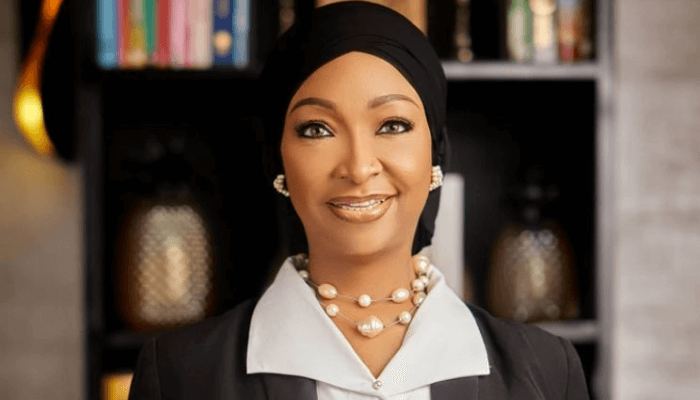
Hannatu Musawa, Minister of Art, Culture, Tourism and the Creative Economy, has said the federal government is developing a framework read more We’re developing framework to strengthen creative economy – FG
Hannatu Musawa, Minister of Art, Culture, Tourism and the Creative Economy, has said the federal government is developing a framework to strengthen Nigeria’s creative economy and unlock its economic potential. Musawa spoke on Friday in Abuja during the second day of the Nigeria Fashion Week, scheduled to run from October 1 to 4, 2026. She said the government was focusing on addressing critical gaps in the sector, particularly inadequate data, funding, infrastructure and market support. “One of the things that we did in trying to come up with a framework was to do a proper data analysis, because we felt that one of the areas that Nigeria was lacking in was data,” Musawa said. The minister said the growing global influence of Nigerian fashion and other creative products demonstrated the sector’s capacity to generate economic opportunities. “Everybody wants to sound like a legionnaire, and everybody wants to wear the material they want to put on stage,” she said. Musawa said the trend showed “the power of soft talent within the passion market,” adding that government was seeking ways to ensure that creative talents translated into greater economic value. She said the government was also working to create an enabling environment through improved funding, infrastructure and professional support. “We, as public, need to create a media environment; the proper quality, the proper framing, the proper funding, the proper infrastructure,” she said. Musawa disclosed that the government was working towards establishing a one-stop facility for creative practitioners to develop their talents and maximise their economic potential. “We are creating a space that is a one-stop shop for passionate creation,” she said. The minister further called for stronger collaboration between government and stakeholders in the creative sector. “We can create a proper space whereby we can continue to make a difference,” she added. The Nigeria Fashion Week featured runway displays of different fashion designs, with models showcasing various outfits before guests, while other designs were displayed for exhibition and purchase. Lexy Mojo-Eyes, President/CEO of Legendary Gold, organisers of Nigeria Fashion Week in partnership with the Ministry of Art, Culture, Tourism and the Creative Economy, said the event was moved to Abuja to deepen engagement with government and unlock the economic potential of the fashion industry. Mojo-Eyes said the organisers had staged the fashion week in Lagos since 2002 but decided to bring it closer to government to influence policies that would support the sector. According to him, the organisation has spent 35 years repositioning Nigerian fashion by encouraging designers to use indigenous fabrics, accessories and designs, while promoting Nigerian clothing among citizens. “But now, this is taking it to the next level. We want to position creativity in such a way that it becomes enterprise, so that fashion entrepreneurs and the entire value chain can make money from it,” he said. Mojo-Eyes said government policies remained critical to achieving the objective, adding that the partnership with the ministry would make Abuja the permanent host of the event. “We need those government policies to change things for the industry. Henceforth, it’s always going to be in Abuja,” he added.l Related News WAEC appoints Nigerian Dangut as new registrar Lagos tasks finance officers on collaboration, accountability to boost service delivery Business leaders urge responsible adoption of agentic AI Share
Musawa spoke on Friday in Abuja during the second day of the Nigeria Fashion Week, scheduled to run from October 1 to 4, 2026. She said the government was focusing on addressing critical gaps in the sector, particularly inadequate data, funding, infrastructure and market support. “One of the things that we did in trying to come up with a framework was to do a proper data analysis, because we felt that one of the areas that Nigeria was lacking in was data,” Musawa said. The minister said the growing global influence of Nigerian fashion and other creative products demonstrated the sector’s capacity to generate economic opportunities. “Everybody wants to sound like a legionnaire, and everybody wants to wear the material they want to put on stage,” she said. Musawa said the trend showed “the power of soft talent within the passion market,” adding that government was seeking ways to ensure that creative talents translated into greater economic value. She said the government was also working to create an enabling environment through improved funding, infrastructure and professional support. “We, as public, need to create a media environment; the proper quality, the proper framing, the proper funding, the proper infrastructure,” she said. Musawa disclosed that the government was working towards establishing a one-stop facility for creative practitioners to develop their talents and maximise their economic potential. “We are creating a space that is a one-stop shop for passionate creation,” she said. The minister further called for stronger collaboration between government and stakeholders in the creative sector. “We can create a proper space whereby we can continue to make a difference,” she added. The Nigeria Fashion Week featured runway displays of different fashion designs, with models showcasing various outfits before guests, while other designs were displayed for exhibition and purchase. Lexy Mojo-Eyes, President/CEO of Legendary Gold, organisers of Nigeria Fashion Week in partnership with the Ministry of Art, Culture, Tourism and the Creative Economy, said the event was moved to Abuja to deepen engagement with government and unlock the economic potential of the fashion industry. Mojo-Eyes said the organisers had staged the fashion week in Lagos since 2002 but decided to bring it closer to government to influence policies that would support the sector. According to him, the organisation has spent 35 years repositioning Nigerian fashion by encouraging designers to use indigenous fabrics, accessories and designs, while promoting Nigerian clothing among citizens. “But now, this is taking it to the next level. We want to position creativity in such a way that it becomes enterprise, so that fashion entrepreneurs and the entire value chain can make money from it,” he said. Mojo-Eyes said government policies remained critical to achieving the objective, adding that the partnership with the ministry would make Abuja the permanent host of the event. “We need those government policies to change things for the industry. Henceforth, it’s always going to be in Abuja,” he added.l Related News WAEC appoints Nigerian Dangut as new registrar Lagos tasks finance officers on collaboration, accountability to boost service delivery Business leaders urge responsible adoption of agentic AI Share
She said the government was focusing on addressing critical gaps in the sector, particularly inadequate data, funding, infrastructure and market support. “One of the things that we did in trying to come up with a framework was to do a proper data analysis, because we felt that one of the areas that Nigeria was lacking in was data,” Musawa said. The minister said the growing global influence of Nigerian fashion and other creative products demonstrated the sector’s capacity to generate economic opportunities. “Everybody wants to sound like a legionnaire, and everybody wants to wear the material they want to put on stage,” she said. Musawa said the trend showed “the power of soft talent within the passion market,” adding that government was seeking ways to ensure that creative talents translated into greater economic value. She said the government was also working to create an enabling environment through improved funding, infrastructure and professional support. “We, as public, need to create a media environment; the proper quality, the proper framing, the proper funding, the proper infrastructure,” she said. Musawa disclosed that the government was working towards establishing a one-stop facility for creative practitioners to develop their talents and maximise their economic potential. “We are creating a space that is a one-stop shop for passionate creation,” she said. The minister further called for stronger collaboration between government and stakeholders in the creative sector. “We can create a proper space whereby we can continue to make a difference,” she added. The Nigeria Fashion Week featured runway displays of different fashion designs, with models showcasing various outfits before guests, while other designs were displayed for exhibition and purchase. Lexy Mojo-Eyes, President/CEO of Legendary Gold, organisers of Nigeria Fashion Week in partnership with the Ministry of Art, Culture, Tourism and the Creative Economy, said the event was moved to Abuja to deepen engagement with government and unlock the economic potential of the fashion industry. Mojo-Eyes said the organisers had staged the fashion week in Lagos since 2002 but decided to bring it closer to government to influence policies that would support the sector. According to him, the organisation has spent 35 years repositioning Nigerian fashion by encouraging designers to use indigenous fabrics, accessories and designs, while promoting Nigerian clothing among citizens. “But now, this is taking it to the next level. We want to position creativity in such a way that it becomes enterprise, so that fashion entrepreneurs and the entire value chain can make money from it,” he said. Mojo-Eyes said government policies remained critical to achieving the objective, adding that the partnership with the ministry would make Abuja the permanent host of the event. “We need those government policies to change things for the industry. Henceforth, it’s always going to be in Abuja,” he added.l Related News WAEC appoints Nigerian Dangut as new registrar Lagos tasks finance officers on collaboration, accountability to boost service delivery Business leaders urge responsible adoption of agentic AI Share
“One of the things that we did in trying to come up with a framework was to do a proper data analysis, because we felt that one of the areas that Nigeria was lacking in was data,” Musawa said. The minister said the growing global influence of Nigerian fashion and other creative products demonstrated the sector’s capacity to generate economic opportunities. “Everybody wants to sound like a legionnaire, and everybody wants to wear the material they want to put on stage,” she said. Musawa said the trend showed “the power of soft talent within the passion market,” adding that government was seeking ways to ensure that creative talents translated into greater economic value. She said the government was also working to create an enabling environment through improved funding, infrastructure and professional support. “We, as public, need to create a media environment; the proper quality, the proper framing, the proper funding, the proper infrastructure,” she said. Musawa disclosed that the government was working towards establishing a one-stop facility for creative practitioners to develop their talents and maximise their economic potential. “We are creating a space that is a one-stop shop for passionate creation,” she said. The minister further called for stronger collaboration between government and stakeholders in the creative sector. “We can create a proper space whereby we can continue to make a difference,” she added. The Nigeria Fashion Week featured runway displays of different fashion designs, with models showcasing various outfits before guests, while other designs were displayed for exhibition and purchase. Lexy Mojo-Eyes, President/CEO of Legendary Gold, organisers of Nigeria Fashion Week in partnership with the Ministry of Art, Culture, Tourism and the Creative Economy, said the event was moved to Abuja to deepen engagement with government and unlock the economic potential of the fashion industry. Mojo-Eyes said the organisers had staged the fashion week in Lagos since 2002 but decided to bring it closer to government to influence policies that would support the sector. According to him, the organisation has spent 35 years repositioning Nigerian fashion by encouraging designers to use indigenous fabrics, accessories and designs, while promoting Nigerian clothing among citizens. “But now, this is taking it to the next level. We want to position creativity in such a way that it becomes enterprise, so that fashion entrepreneurs and the entire value chain can make money from it,” he said. Mojo-Eyes said government policies remained critical to achieving the objective, adding that the partnership with the ministry would make Abuja the permanent host of the event. “We need those government policies to change things for the industry. Henceforth, it’s always going to be in Abuja,” he added.l Related News WAEC appoints Nigerian Dangut as new registrar Lagos tasks finance officers on collaboration, accountability to boost service delivery Business leaders urge responsible adoption of agentic AI Share
The minister said the growing global influence of Nigerian fashion and other creative products demonstrated the sector’s capacity to generate economic opportunities. “Everybody wants to sound like a legionnaire, and everybody wants to wear the material they want to put on stage,” she said. Musawa said the trend showed “the power of soft talent within the passion market,” adding that government was seeking ways to ensure that creative talents translated into greater economic value. She said the government was also working to create an enabling environment through improved funding, infrastructure and professional support. “We, as public, need to create a media environment; the proper quality, the proper framing, the proper funding, the proper infrastructure,” she said. Musawa disclosed that the government was working towards establishing a one-stop facility for creative practitioners to develop their talents and maximise their economic potential. “We are creating a space that is a one-stop shop for passionate creation,” she said. The minister further called for stronger collaboration between government and stakeholders in the creative sector. “We can create a proper space whereby we can continue to make a difference,” she added. The Nigeria Fashion Week featured runway displays of different fashion designs, with models showcasing various outfits before guests, while other designs were displayed for exhibition and purchase. Lexy Mojo-Eyes, President/CEO of Legendary Gold, organisers of Nigeria Fashion Week in partnership with the Ministry of Art, Culture, Tourism and the Creative Economy, said the event was moved to Abuja to deepen engagement with government and unlock the economic potential of the fashion industry. Mojo-Eyes said the organisers had staged the fashion week in Lagos since 2002 but decided to bring it closer to government to influence policies that would support the sector. According to him, the organisation has spent 35 years repositioning Nigerian fashion by encouraging designers to use indigenous fabrics, accessories and designs, while promoting Nigerian clothing among citizens. “But now, this is taking it to the next level. We want to position creativity in such a way that it becomes enterprise, so that fashion entrepreneurs and the entire value chain can make money from it,” he said. Mojo-Eyes said government policies remained critical to achieving the objective, adding that the partnership with the ministry would make Abuja the permanent host of the event. “We need those government policies to change things for the industry. Henceforth, it’s always going to be in Abuja,” he added.l Related News WAEC appoints Nigerian Dangut as new registrar Lagos tasks finance officers on collaboration, accountability to boost service delivery Business leaders urge responsible adoption of agentic AI Share
“Everybody wants to sound like a legionnaire, and everybody wants to wear the material they want to put on stage,” she said. Musawa said the trend showed “the power of soft talent within the passion market,” adding that government was seeking ways to ensure that creative talents translated into greater economic value. She said the government was also working to create an enabling environment through improved funding, infrastructure and professional support. “We, as public, need to create a media environment; the proper quality, the proper framing, the proper funding, the proper infrastructure,” she said. Musawa disclosed that the government was working towards establishing a one-stop facility for creative practitioners to develop their talents and maximise their economic potential. “We are creating a space that is a one-stop shop for passionate creation,” she said. The minister further called for stronger collaboration between government and stakeholders in the creative sector. “We can create a proper space whereby we can continue to make a difference,” she added. The Nigeria Fashion Week featured runway displays of different fashion designs, with models showcasing various outfits before guests, while other designs were displayed for exhibition and purchase. Lexy Mojo-Eyes, President/CEO of Legendary Gold, organisers of Nigeria Fashion Week in partnership with the Ministry of Art, Culture, Tourism and the Creative Economy, said the event was moved to Abuja to deepen engagement with government and unlock the economic potential of the fashion industry. Mojo-Eyes said the organisers had staged the fashion week in Lagos since 2002 but decided to bring it closer to government to influence policies that would support the sector. According to him, the organisation has spent 35 years repositioning Nigerian fashion by encouraging designers to use indigenous fabrics, accessories and designs, while promoting Nigerian clothing among citizens. “But now, this is taking it to the next level. We want to position creativity in such a way that it becomes enterprise, so that fashion entrepreneurs and the entire value chain can make money from it,” he said. Mojo-Eyes said government policies remained critical to achieving the objective, adding that the partnership with the ministry would make Abuja the permanent host of the event. “We need those government policies to change things for the industry. Henceforth, it’s always going to be in Abuja,” he added.l Related News WAEC appoints Nigerian Dangut as new registrar Lagos tasks finance officers on collaboration, accountability to boost service delivery Business leaders urge responsible adoption of agentic AI Share
Musawa said the trend showed “the power of soft talent within the passion market,” adding that government was seeking ways to ensure that creative talents translated into greater economic value. She said the government was also working to create an enabling environment through improved funding, infrastructure and professional support. “We, as public, need to create a media environment; the proper quality, the proper framing, the proper funding, the proper infrastructure,” she said. Musawa disclosed that the government was working towards establishing a one-stop facility for creative practitioners to develop their talents and maximise their economic potential. “We are creating a space that is a one-stop shop for passionate creation,” she said. The minister further called for stronger collaboration between government and stakeholders in the creative sector. “We can create a proper space whereby we can continue to make a difference,” she added. The Nigeria Fashion Week featured runway displays of different fashion designs, with models showcasing various outfits before guests, while other designs were displayed for exhibition and purchase. Lexy Mojo-Eyes, President/CEO of Legendary Gold, organisers of Nigeria Fashion Week in partnership with the Ministry of Art, Culture, Tourism and the Creative Economy, said the event was moved to Abuja to deepen engagement with government and unlock the economic potential of the fashion industry. Mojo-Eyes said the organisers had staged the fashion week in Lagos since 2002 but decided to bring it closer to government to influence policies that would support the sector. According to him, the organisation has spent 35 years repositioning Nigerian fashion by encouraging designers to use indigenous fabrics, accessories and designs, while promoting Nigerian clothing among citizens. “But now, this is taking it to the next level. We want to position creativity in such a way that it becomes enterprise, so that fashion entrepreneurs and the entire value chain can make money from it,” he said. Mojo-Eyes said government policies remained critical to achieving the objective, adding that the partnership with the ministry would make Abuja the permanent host of the event. “We need those government policies to change things for the industry. Henceforth, it’s always going to be in Abuja,” he added.l Related News WAEC appoints Nigerian Dangut as new registrar Lagos tasks finance officers on collaboration, accountability to boost service delivery Business leaders urge responsible adoption of agentic AI Share
She said the government was also working to create an enabling environment through improved funding, infrastructure and professional support. “We, as public, need to create a media environment; the proper quality, the proper framing, the proper funding, the proper infrastructure,” she said. Musawa disclosed that the government was working towards establishing a one-stop facility for creative practitioners to develop their talents and maximise their economic potential. “We are creating a space that is a one-stop shop for passionate creation,” she said. The minister further called for stronger collaboration between government and stakeholders in the creative sector. “We can create a proper space whereby we can continue to make a difference,” she added. The Nigeria Fashion Week featured runway displays of different fashion designs, with models showcasing various outfits before guests, while other designs were displayed for exhibition and purchase. Lexy Mojo-Eyes, President/CEO of Legendary Gold, organisers of Nigeria Fashion Week in partnership with the Ministry of Art, Culture, Tourism and the Creative Economy, said the event was moved to Abuja to deepen engagement with government and unlock the economic potential of the fashion industry. Mojo-Eyes said the organisers had staged the fashion week in Lagos since 2002 but decided to bring it closer to government to influence policies that would support the sector. According to him, the organisation has spent 35 years repositioning Nigerian fashion by encouraging designers to use indigenous fabrics, accessories and designs, while promoting Nigerian clothing among citizens. “But now, this is taking it to the next level. We want to position creativity in such a way that it becomes enterprise, so that fashion entrepreneurs and the entire value chain can make money from it,” he said. Mojo-Eyes said government policies remained critical to achieving the objective, adding that the partnership with the ministry would make Abuja the permanent host of the event. “We need those government policies to change things for the industry. Henceforth, it’s always going to be in Abuja,” he added.l Related News WAEC appoints Nigerian Dangut as new registrar Lagos tasks finance officers on collaboration, accountability to boost service delivery Business leaders urge responsible adoption of agentic AI Share
“We, as public, need to create a media environment; the proper quality, the proper framing, the proper funding, the proper infrastructure,” she said. Musawa disclosed that the government was working towards establishing a one-stop facility for creative practitioners to develop their talents and maximise their economic potential. “We are creating a space that is a one-stop shop for passionate creation,” she said. The minister further called for stronger collaboration between government and stakeholders in the creative sector. “We can create a proper space whereby we can continue to make a difference,” she added. The Nigeria Fashion Week featured runway displays of different fashion designs, with models showcasing various outfits before guests, while other designs were displayed for exhibition and purchase. Lexy Mojo-Eyes, President/CEO of Legendary Gold, organisers of Nigeria Fashion Week in partnership with the Ministry of Art, Culture, Tourism and the Creative Economy, said the event was moved to Abuja to deepen engagement with government and unlock the economic potential of the fashion industry. Mojo-Eyes said the organisers had staged the fashion week in Lagos since 2002 but decided to bring it closer to government to influence policies that would support the sector. According to him, the organisation has spent 35 years repositioning Nigerian fashion by encouraging designers to use indigenous fabrics, accessories and designs, while promoting Nigerian clothing among citizens. “But now, this is taking it to the next level. We want to position creativity in such a way that it becomes enterprise, so that fashion entrepreneurs and the entire value chain can make money from it,” he said. Mojo-Eyes said government policies remained critical to achieving the objective, adding that the partnership with the ministry would make Abuja the permanent host of the event. “We need those government policies to change things for the industry. Henceforth, it’s always going to be in Abuja,” he added.l Related News WAEC appoints Nigerian Dangut as new registrar Lagos tasks finance officers on collaboration, accountability to boost service delivery Business leaders urge responsible adoption of agentic AI Share
Musawa disclosed that the government was working towards establishing a one-stop facility for creative practitioners to develop their talents and maximise their economic potential. “We are creating a space that is a one-stop shop for passionate creation,” she said. The minister further called for stronger collaboration between government and stakeholders in the creative sector. “We can create a proper space whereby we can continue to make a difference,” she added. The Nigeria Fashion Week featured runway displays of different fashion designs, with models showcasing various outfits before guests, while other designs were displayed for exhibition and purchase. Lexy Mojo-Eyes, President/CEO of Legendary Gold, organisers of Nigeria Fashion Week in partnership with the Ministry of Art, Culture, Tourism and the Creative Economy, said the event was moved to Abuja to deepen engagement with government and unlock the economic potential of the fashion industry. Mojo-Eyes said the organisers had staged the fashion week in Lagos since 2002 but decided to bring it closer to government to influence policies that would support the sector. According to him, the organisation has spent 35 years repositioning Nigerian fashion by encouraging designers to use indigenous fabrics, accessories and designs, while promoting Nigerian clothing among citizens. “But now, this is taking it to the next level. We want to position creativity in such a way that it becomes enterprise, so that fashion entrepreneurs and the entire value chain can make money from it,” he said. Mojo-Eyes said government policies remained critical to achieving the objective, adding that the partnership with the ministry would make Abuja the permanent host of the event. “We need those government policies to change things for the industry. Henceforth, it’s always going to be in Abuja,” he added.l Related News WAEC appoints Nigerian Dangut as new registrar Lagos tasks finance officers on collaboration, accountability to boost service delivery Business leaders urge responsible adoption of agentic AI Share
“We are creating a space that is a one-stop shop for passionate creation,” she said. The minister further called for stronger collaboration between government and stakeholders in the creative sector. “We can create a proper space whereby we can continue to make a difference,” she added. The Nigeria Fashion Week featured runway displays of different fashion designs, with models showcasing various outfits before guests, while other designs were displayed for exhibition and purchase. Lexy Mojo-Eyes, President/CEO of Legendary Gold, organisers of Nigeria Fashion Week in partnership with the Ministry of Art, Culture, Tourism and the Creative Economy, said the event was moved to Abuja to deepen engagement with government and unlock the economic potential of the fashion industry. Mojo-Eyes said the organisers had staged the fashion week in Lagos since 2002 but decided to bring it closer to government to influence policies that would support the sector. According to him, the organisation has spent 35 years repositioning Nigerian fashion by encouraging designers to use indigenous fabrics, accessories and designs, while promoting Nigerian clothing among citizens. “But now, this is taking it to the next level. We want to position creativity in such a way that it becomes enterprise, so that fashion entrepreneurs and the entire value chain can make money from it,” he said. Mojo-Eyes said government policies remained critical to achieving the objective, adding that the partnership with the ministry would make Abuja the permanent host of the event. “We need those government policies to change things for the industry. Henceforth, it’s always going to be in Abuja,” he added.l Related News WAEC appoints Nigerian Dangut as new registrar Lagos tasks finance officers on collaboration, accountability to boost service delivery Business leaders urge responsible adoption of agentic AI Share
The minister further called for stronger collaboration between government and stakeholders in the creative sector. “We can create a proper space whereby we can continue to make a difference,” she added. The Nigeria Fashion Week featured runway displays of different fashion designs, with models showcasing various outfits before guests, while other designs were displayed for exhibition and purchase. Lexy Mojo-Eyes, President/CEO of Legendary Gold, organisers of Nigeria Fashion Week in partnership with the Ministry of Art, Culture, Tourism and the Creative Economy, said the event was moved to Abuja to deepen engagement with government and unlock the economic potential of the fashion industry. Mojo-Eyes said the organisers had staged the fashion week in Lagos since 2002 but decided to bring it closer to government to influence policies that would support the sector. According to him, the organisation has spent 35 years repositioning Nigerian fashion by encouraging designers to use indigenous fabrics, accessories and designs, while promoting Nigerian clothing among citizens. “But now, this is taking it to the next level. We want to position creativity in such a way that it becomes enterprise, so that fashion entrepreneurs and the entire value chain can make money from it,” he said. Mojo-Eyes said government policies remained critical to achieving the objective, adding that the partnership with the ministry would make Abuja the permanent host of the event. “We need those government policies to change things for the industry. Henceforth, it’s always going to be in Abuja,” he added.l Related News WAEC appoints Nigerian Dangut as new registrar Lagos tasks finance officers on collaboration, accountability to boost service delivery Business leaders urge responsible adoption of agentic AI Share
The Nigeria Fashion Week featured runway displays of different fashion designs, with models showcasing various outfits before guests, while other designs were displayed for exhibition and purchase. Lexy Mojo-Eyes, President/CEO of Legendary Gold, organisers of Nigeria Fashion Week in partnership with the Ministry of Art, Culture, Tourism and the Creative Economy, said the event was moved to Abuja to deepen engagement with government and unlock the economic potential of the fashion industry. Mojo-Eyes said the organisers had staged the fashion week in Lagos since 2002 but decided to bring it closer to government to influence policies that would support the sector. According to him, the organisation has spent 35 years repositioning Nigerian fashion by encouraging designers to use indigenous fabrics, accessories and designs, while promoting Nigerian clothing among citizens. “But now, this is taking it to the next level. We want to position creativity in such a way that it becomes enterprise, so that fashion entrepreneurs and the entire value chain can make money from it,” he said. Mojo-Eyes said government policies remained critical to achieving the objective, adding that the partnership with the ministry would make Abuja the permanent host of the event. “We need those government policies to change things for the industry. Henceforth, it’s always going to be in Abuja,” he added.l Related News WAEC appoints Nigerian Dangut as new registrar Lagos tasks finance officers on collaboration, accountability to boost service delivery Business leaders urge responsible adoption of agentic AI Share
Lexy Mojo-Eyes, President/CEO of Legendary Gold, organisers of Nigeria Fashion Week in partnership with the Ministry of Art, Culture, Tourism and the Creative Economy, said the event was moved to Abuja to deepen engagement with government and unlock the economic potential of the fashion industry. Mojo-Eyes said the organisers had staged the fashion week in Lagos since 2002 but decided to bring it closer to government to influence policies that would support the sector. According to him, the organisation has spent 35 years repositioning Nigerian fashion by encouraging designers to use indigenous fabrics, accessories and designs, while promoting Nigerian clothing among citizens. “But now, this is taking it to the next level. We want to position creativity in such a way that it becomes enterprise, so that fashion entrepreneurs and the entire value chain can make money from it,” he said. Mojo-Eyes said government policies remained critical to achieving the objective, adding that the partnership with the ministry would make Abuja the permanent host of the event. “We need those government policies to change things for the industry. Henceforth, it’s always going to be in Abuja,” he added.l Related News WAEC appoints Nigerian Dangut as new registrar Lagos tasks finance officers on collaboration, accountability to boost service delivery Business leaders urge responsible adoption of agentic AI Share
Mojo-Eyes said the organisers had staged the fashion week in Lagos since 2002 but decided to bring it closer to government to influence policies that would support the sector. According to him, the organisation has spent 35 years repositioning Nigerian fashion by encouraging designers to use indigenous fabrics, accessories and designs, while promoting Nigerian clothing among citizens. “But now, this is taking it to the next level. We want to position creativity in such a way that it becomes enterprise, so that fashion entrepreneurs and the entire value chain can make money from it,” he said. Mojo-Eyes said government policies remained critical to achieving the objective, adding that the partnership with the ministry would make Abuja the permanent host of the event. “We need those government policies to change things for the industry. Henceforth, it’s always going to be in Abuja,” he added.l Related News WAEC appoints Nigerian Dangut as new registrar Lagos tasks finance officers on collaboration, accountability to boost service delivery Business leaders urge responsible adoption of agentic AI Share
According to him, the organisation has spent 35 years repositioning Nigerian fashion by encouraging designers to use indigenous fabrics, accessories and designs, while promoting Nigerian clothing among citizens. “But now, this is taking it to the next level. We want to position creativity in such a way that it becomes enterprise, so that fashion entrepreneurs and the entire value chain can make money from it,” he said. Mojo-Eyes said government policies remained critical to achieving the objective, adding that the partnership with the ministry would make Abuja the permanent host of the event. “We need those government policies to change things for the industry. Henceforth, it’s always going to be in Abuja,” he added.l Related News WAEC appoints Nigerian Dangut as new registrar Lagos tasks finance officers on collaboration, accountability to boost service delivery Business leaders urge responsible adoption of agentic AI Share
“But now, this is taking it to the next level. We want to position creativity in such a way that it becomes enterprise, so that fashion entrepreneurs and the entire value chain can make money from it,” he said. Mojo-Eyes said government policies remained critical to achieving the objective, adding that the partnership with the ministry would make Abuja the permanent host of the event. “We need those government policies to change things for the industry. Henceforth, it’s always going to be in Abuja,” he added.l Related News WAEC appoints Nigerian Dangut as new registrar Lagos tasks finance officers on collaboration, accountability to boost service delivery Business leaders urge responsible adoption of agentic AI Share
Mojo-Eyes said government policies remained critical to achieving the objective, adding that the partnership with the ministry would make Abuja the permanent host of the event. “We need those government policies to change things for the industry. Henceforth, it’s always going to be in Abuja,” he added.l Related News WAEC appoints Nigerian Dangut as new registrar Lagos tasks finance officers on collaboration, accountability to boost service delivery Business leaders urge responsible adoption of agentic AI Share
“We need those government policies to change things for the industry. Henceforth, it’s always going to be in Abuja,” he added.l Related News WAEC appoints Nigerian Dangut as new registrar Lagos tasks finance officers on collaboration, accountability to boost service delivery Business leaders urge responsible adoption of agentic AI Share