Oil above $90 reshapes global rate and equity outlook
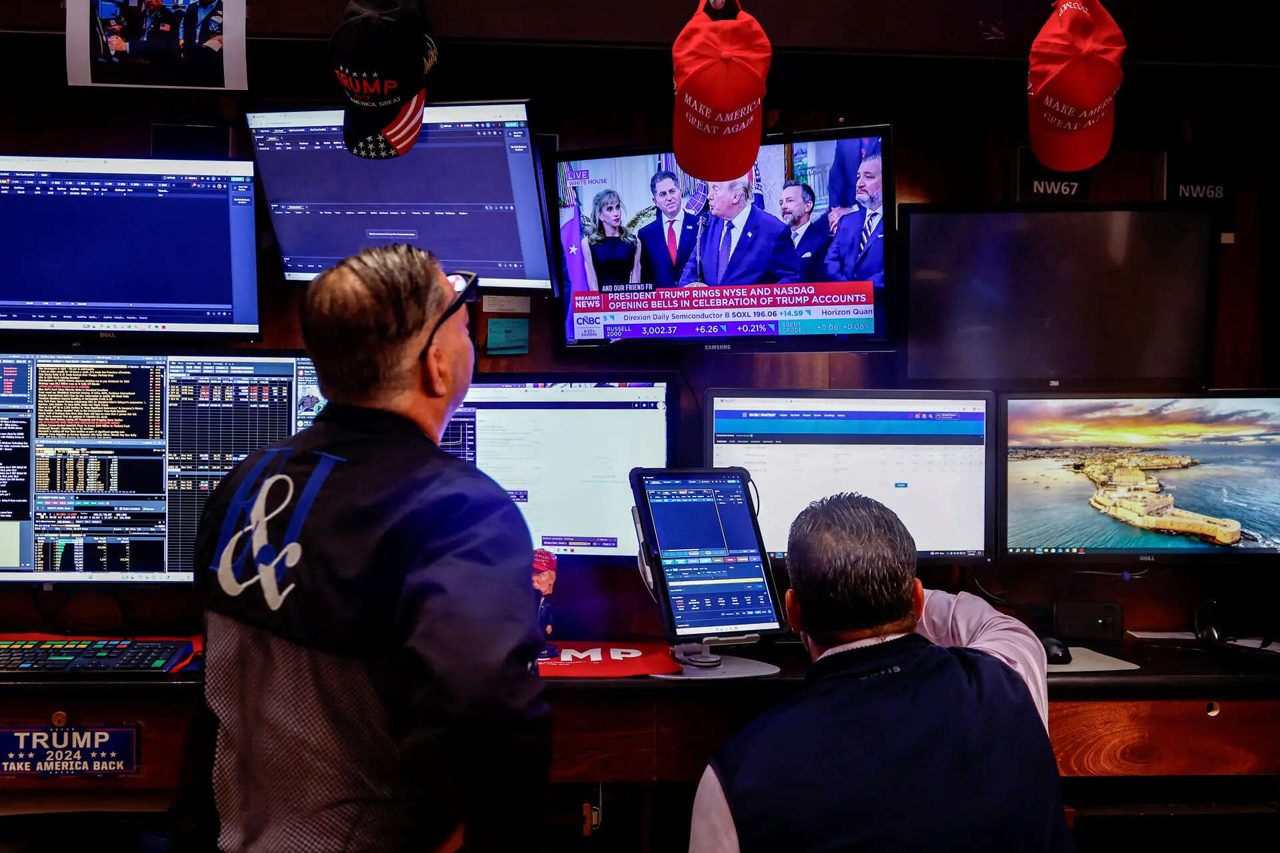
A surge in Brent crude above $90 triggered by US-Iran military strikes is forcing investors to reprice central bank rate expectations, pushing long-dated Treasury yields back above 5% and punishing technology valuations.
Brent crude surged 3% to breach $90 a barrel for the first time in over a month after the U.S. military entered its ninth consecutive day of strikes against Iran. Iranian forces retaliated by striking targets across the region, sparking a sudden fuel price spike that challenges the recent disinflation narrative. The move pushed 30-year Treasury yields back above the critical 5% threshold.
Yields at this level historically pull capital away from equities and raise the valuation hurdle for future corporate profits. Futures markets are now pricing in 29 basis points of Federal Reserve rate hikes by year-end, assigning a 60% probability to a move as early as September. "Our forecast is for a more gradual turn toward a Fed hike in 2027, but the balance of risks is shifting in the direction of an earlier hike than expected," said JPMorgan chief economist Bruce Kasman, pointing to a recent hawkish shift in central bank rhetoric.
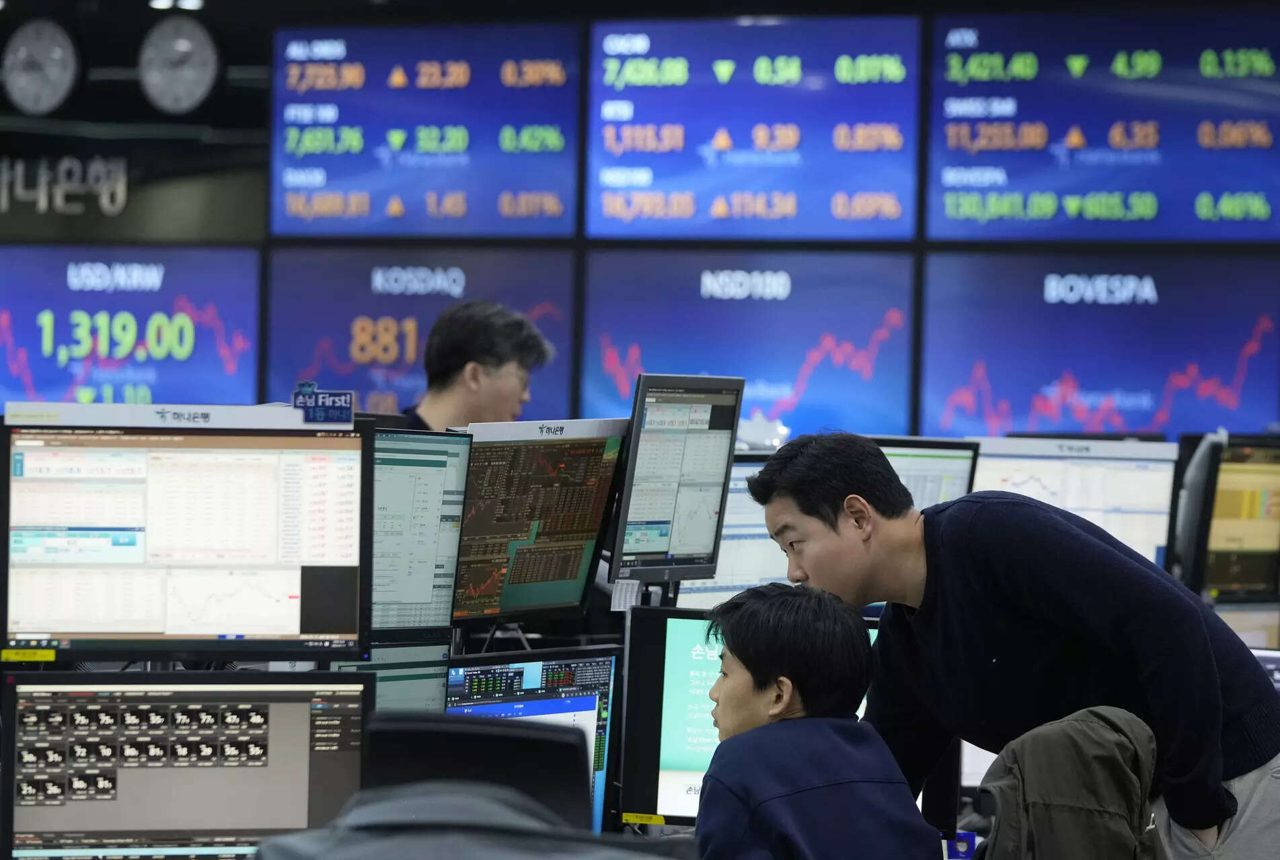
The rate reassessment is colliding with growing scepticism over elevated valuations in the artificial intelligence and semiconductor sectors. The Philadelphia Semiconductor Index has dropped 20% from its June record after a 10% decline last week. South Korea's chip-heavy market fell another 0.6%, extending a near 9% weekly rout driven by the forced liquidation of retail leveraged positions. MSCI's broadest index of Asia-Pacific shares outside Japan dipped 0.3%, while Japan's Nikkei was closed for a holiday following its own 6.4% weekly plunge.
Despite the selloff, U.S. equity futures found footing on optimistic earnings projections. BofA analyst Savita Subramanian tipped a 5% beat on consensus expectations, equating to 28% earnings growth, with technology driving more than half of that increase and semiconductors projected to jump 130% year-on-year. S&P 500 futures edged up 0.2% and Nasdaq futures added 0.4%, while European equities were largely flat to slightly positive.
The oil-driven inflation threat also presents a complication for the European Central Bank ahead of its Thursday meeting. Markets expect the ECB to hold rates at 2.25% this week but are fully pricing in a September hike, targeting 2.75% early next year. The euro was flat at $1.1433, while the dollar held steady at 162.41 yen, just below a recent 40-year peak of 162.84 as Japanese authorities warned of potential intervention. Gold dropped 0.6% to $3,993 an ounce under pressure from higher yields.