Beijing deploys $8.9bn state fund purchases to halt equity slide
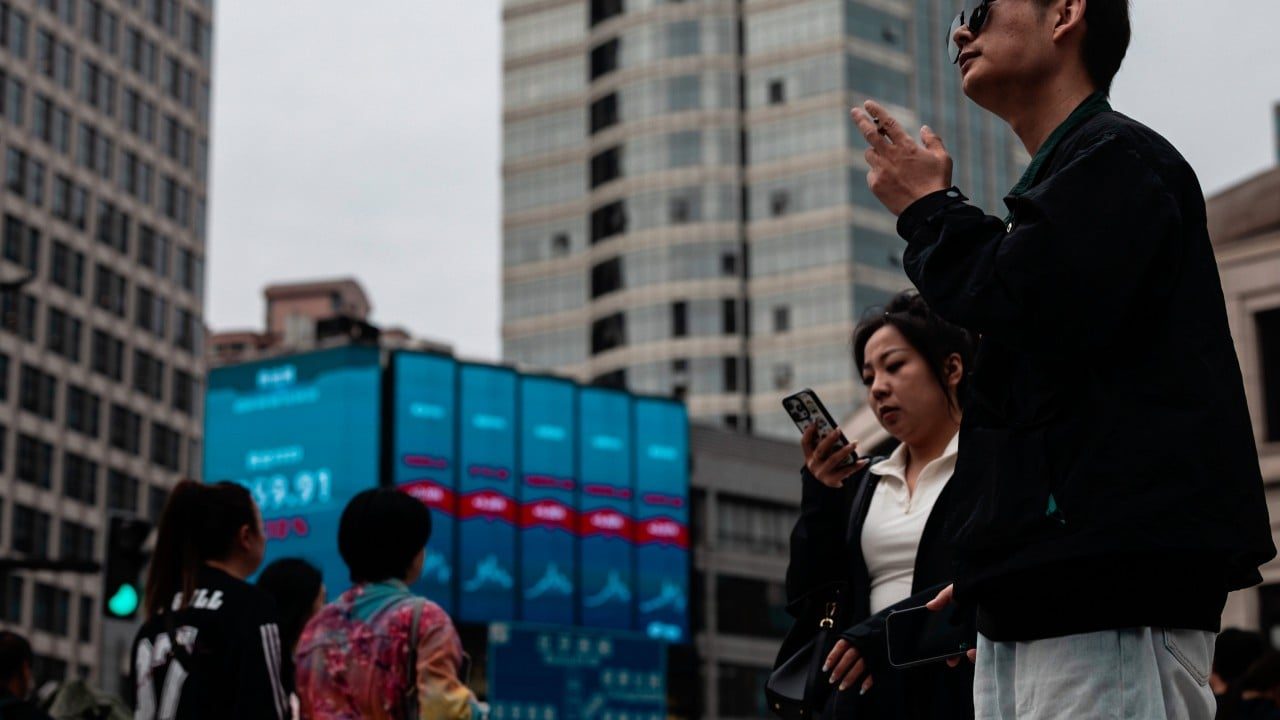
State-backed entities injected 60 billion yuan into Chinese equities, signaling aggressive government intervention ahead of a regulatory meeting aimed at restoring market stability.
Two major state-backed entities deployed roughly 60 billion yuan ($8.86 billion) to purchase mainland-listed stocks. The capital injection marks a direct government effort to arrest a broader market sell-off.
China Reform Holdings accounted for the bulk of the intervention, spending more than 50 billion yuan with a stated commitment to further increase its positions in central state-owned enterprises. China Chengtong Holdings Group contributed nearly 10 billion yuan through two subsidiary units. Chengtong indicated it would continue buying both individual stocks and exchange-traded funds tied to state-owned enterprises and technology companies.
This coordinated buying was accompanied by a separate wave of share purchase and buyback announcements from other state-controlled shareholders. Parent companies of major listed units, including China Railway Rolling Stock Corporation and Aluminum Corporation of China, filed exchange statements disclosing plans to lift their stakes. For institutional investors, this creates a layered support mechanism where direct market purchases and corporate buybacks are deployed simultaneously.
The specific focus of these funds carries distinct implications for portfolio allocation. By explicitly targeting central state-owned enterprises and technology-related ETFs, Beijing is signaling which sectors it considers strategically vital and undervalued. This limits downside risk in these specific pockets of the market, even if broader retail sentiment remains fragile.
The mechanics of the intervention are also notable for market participants. Rather than relying solely on traditional state-run brokerage funds, the government is activating the balance sheets of industrial state-owned enterprises. This approach taps into a different pool of capital and signals a highly coordinated, cross-agency response to the turbulence.
The capital deployment sets the stage for a high-level regulatory gathering scheduled for Monday. The China Securities Regulatory Commission will convene with representatives from listed companies, brokerages, and mutual fund firms to discuss market stabilization.
For market professionals, the Monday meeting suggests the current buying surge may be an opening salvo. If the 60 billion yuan injection fails to generate a sustained bottom, regulators and state actors are clearly prepared to discuss and likely implement additional measures to restore confidence.