Japanese FDI in India constrained by reliance on Chinese components
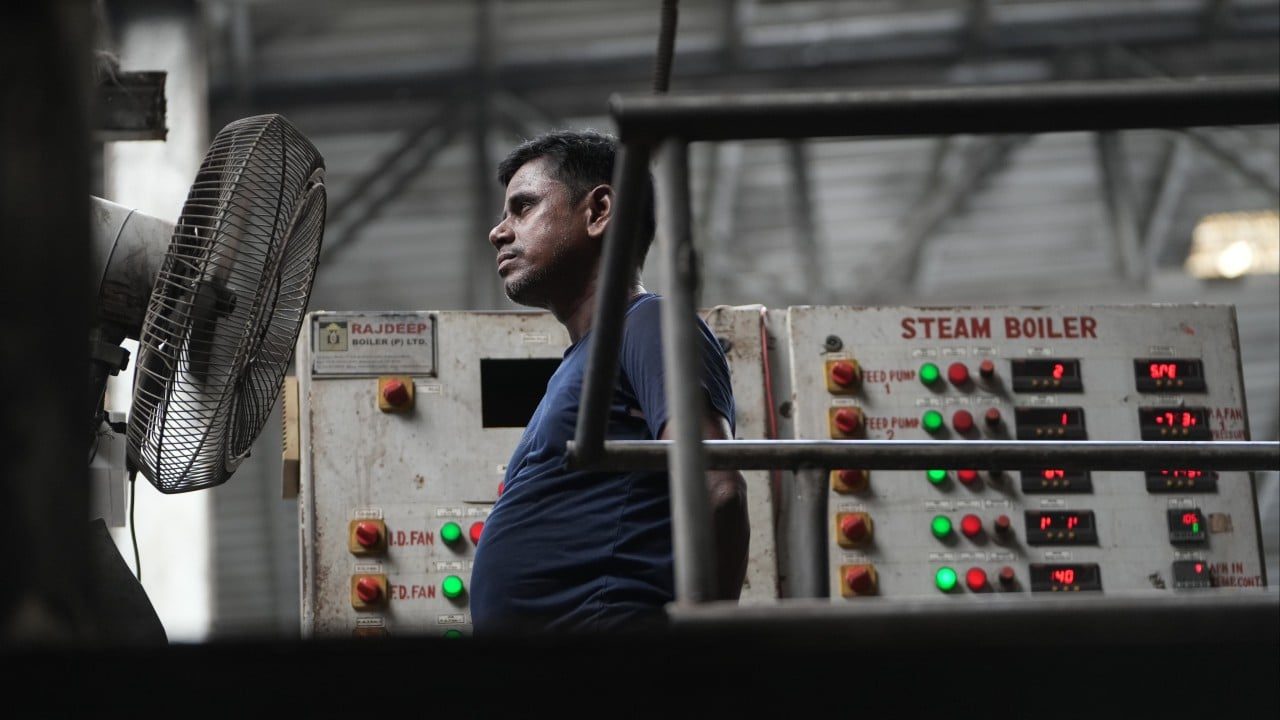
Japan’s rising foreign direct investment in India faces a critical bottleneck because its industrial projects remain heavily dependent on Chinese component supply chains.
Japan’s industrial expansion into India is colliding with a supply chain reality. Without Chinese components on the ground, Japanese investments will struggle to achieve the scale and speed demanded by the market.
Japan remains a critical source of capital for the Indian economy, deploying $3.2 billion in the 2025-26 financial year. Excluding Singapore and Mauritius, this ranked second only to the United States in foreign direct investment. The financial sector has been a particular focus, highlighted by Japanese group MUFG’s $4.4 billion stake in Shriram Finance announced last December.
However, these capital injections mask a disconnect in the physical economy. India’s trade with Japan stood at a modest $27.5 billion in the 2025-26 financial year, making Japan only India’s tenth-largest trading partner. By contrast, China retained its position as India’s top goods trading partner with $151 billion in bilateral trade during the same period.
This disparity exposes a structural vulnerability in India's manufacturing strategy. Japanese industrial investments frequently require imported components from China to operate effectively. Relying on these cross-border supply chains introduces logistical friction that limits how quickly new factories can ramp up production.
The broader FDI trajectory underscores the sheer scale of the challenge facing New Delhi as it seeks to replicate China's manufacturing boom. Following its 2001 World Trade Organization entry, China saw net FDI inflows surge from $42 billion in 2000 to $244 billion in 2010. Inflows later peaked at $344 billion in 2021 before declining to $43 billion in 2024. By the end of 2023, China’s inward FDI stock stood at a massive $3.7 trillion.
India’s FDI arc is markedly smaller. Net inflows grew from $3.6 billion in 2000 to a peak of $64 billion in 2020, before retreating to $27 billion in 2024. While cumulative inflows since 2000 have approached $1.2 trillion, India's total FDI stock was only about half a trillion dollars in 2023.
For market professionals, the takeaway is straightforward. Accelerating India’s manufacturing base will require integrating Japanese capital directly with Chinese supply networks.