Hong Kong pension fund lobbied to boost local ETF allocation
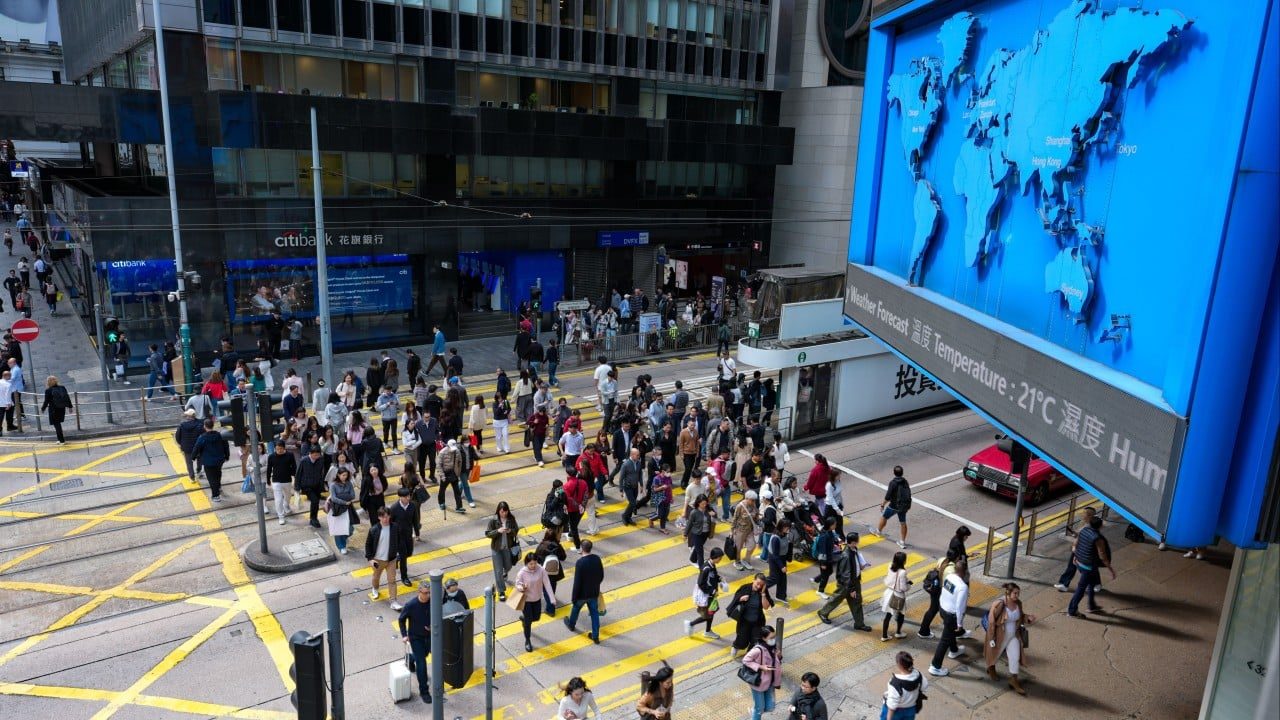
A push to direct a portion of a $191 billion pension pool into local exchange-traded funds could inject crucial liquidity into Hong Kong's capital markets.
The Chamber of Hong Kong Listed Companies is lobbying the city’s pension regulator to relax investment restrictions. The goal is to steer a larger portion of the territory’s retirement savings into locally listed exchange-traded funds.
The mandatory provident fund (MPF) system holds HK$1.5 trillion, or US$191 billion, in assets for its 4.8 million members. Market estimates cited by the chamber show a stark geographic imbalance in how that capital is deployed. While 10 to 15 per cent of total MPF assets are currently allocated to ETFs, the vast majority of these products are listed overseas. Hong Kong-listed ETFs account for only 2 to 5 per cent of the overall pension pool.
Liquidity push
Redirecting even a fraction of the overseas ETF allocations into local products would provide a meaningful lift to Hong Kong’s capital markets. Pension fund flows are highly valued by exchanges and market makers because they represent sticky, long-term capital that supports consistent trading volumes.
“More ETFs based in Hong Kong would help promote liquidity in the local capital market,” said Chan Ka-keung, the chamber’s chairman. “It will be a win-win situation for the MPF and the stock market.”
For the scheme's participants, the regulatory shift offers a structural cost advantage. “ETFs can provide stable returns to MPF members while charging low management fees,” Chan said during a media briefing last week. “If more members can invest in ETFs, it would [broaden their] choices, while the city would also be promoting these types of investment products.”
The chamber plans to formally submit its proposal to the Hong Kong government. The territory is currently in the middle of a two-month public consultation on its first five-year plan, providing a direct channel for policy recommendations.
The lobbying effort carries notable institutional weight. Chan previously served as Hong Kong’s secretary for Financial Services and the Treasury and currently chairs digital lender WeLab Bank. His deep ties to the regulatory apparatus signal that the chamber’s proposal is designed to align with the government’s broader financial market development agenda.