Record coca cultivation prompts Colombia to rethink substitution
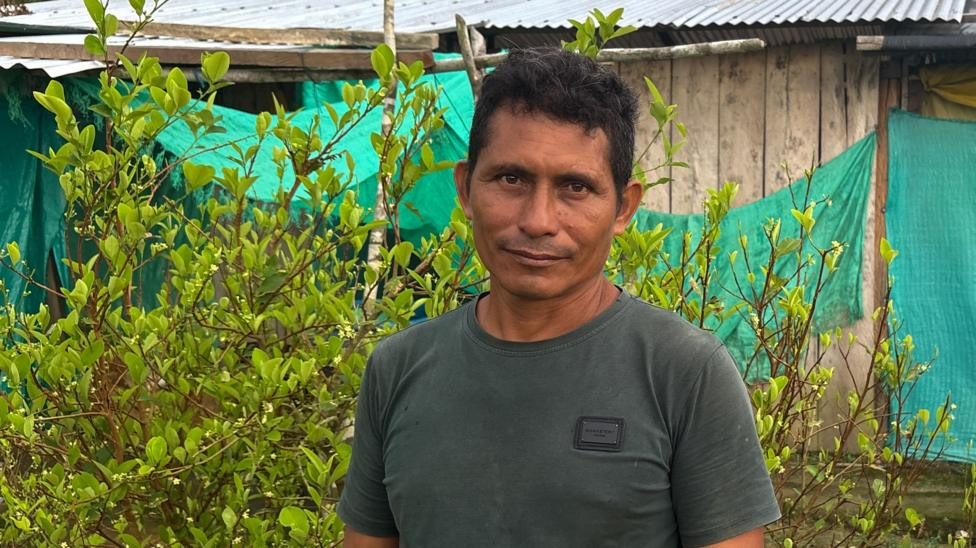
Colombia is overhauling its approach to coca eradication after failed government subsidies pushed farmers back to the crop, exposing the deep economic logic that sustains the global cocaine trade.
Colombia has begun rolling out a new programme, RenHacemos, to replace its failed crop substitution initiative as national coca cultivation hits record levels above 250,000 hectares. The shift follows the collapse of a 2017 plan that promised 36m Colombian pesos ($11,000) to each of roughly 100,000 families to abandon the crop. Instead of transitioning to legal agriculture, many farmers have returned to coca due to delayed payments and a lack of technical support.
For farmers, coca offers a reliability that legal crops cannot match in remote, infrastructure-poor regions. "Coca has some major advantages over other crops," says Lucas Marín Llanes, a Colombian researcher. He notes that the plant yields three or four harvests a year, is easier to transport, and offers price certainty to growers.
These microeconomic incentives translate into significant local macroeconomic effects. Research indicates that coca cultivation boosted municipal GDP by as much as 10% in some Colombian regions between 2014 and 2019. With Colombia producing an estimated 70% of the global cocaine supply, the crop remains a deeply entrenched structural component of the rural economy.
The previous plan, known as PNIS, was born from the 2016 peace deal with the Farc guerrilla group and initially showed promise. However, it failed to account for the severe infrastructure deficits that render legal agriculture unviable. Farmers struggled to sell legal crops like cassava and plantain due to a lack of roads and recurring floods, while a weak state presence meant support never reached remote communities.
The security environment further complicated economic transitions. While the 2016 peace deal led to the disbanding of large parts of Farc, other armed groups moved in to fill the vacuum. These groups now control local economies and trafficking routes, creating a "fragile" security context that deters legitimate investment, according to Michael Weintraub of the University of the Andes.
RenHacemos attempts to address these structural failures by moving beyond simple crop replacement to focus on broader economic diversification. The government agency overseeing the policy aims to replace the entire illicit economy. "Coca is a business," says agency director Gloria Miranda. "It's a criminal enterprise, but it functions like any other business."
The new pilot programme includes road improvements, digital connectivity, university access, and developing agro-industry and logistics. However, analysts warn that domestic policy alone cannot solve the issue. "Right now there is expanding demand, and so there will be supply to meet that," Weintraub says, noting that US and European demand will sustain Colombian coca cultivation for the foreseeable future.