Brent tops $90 as US troop deaths cross red line, Hormuz stays blocked
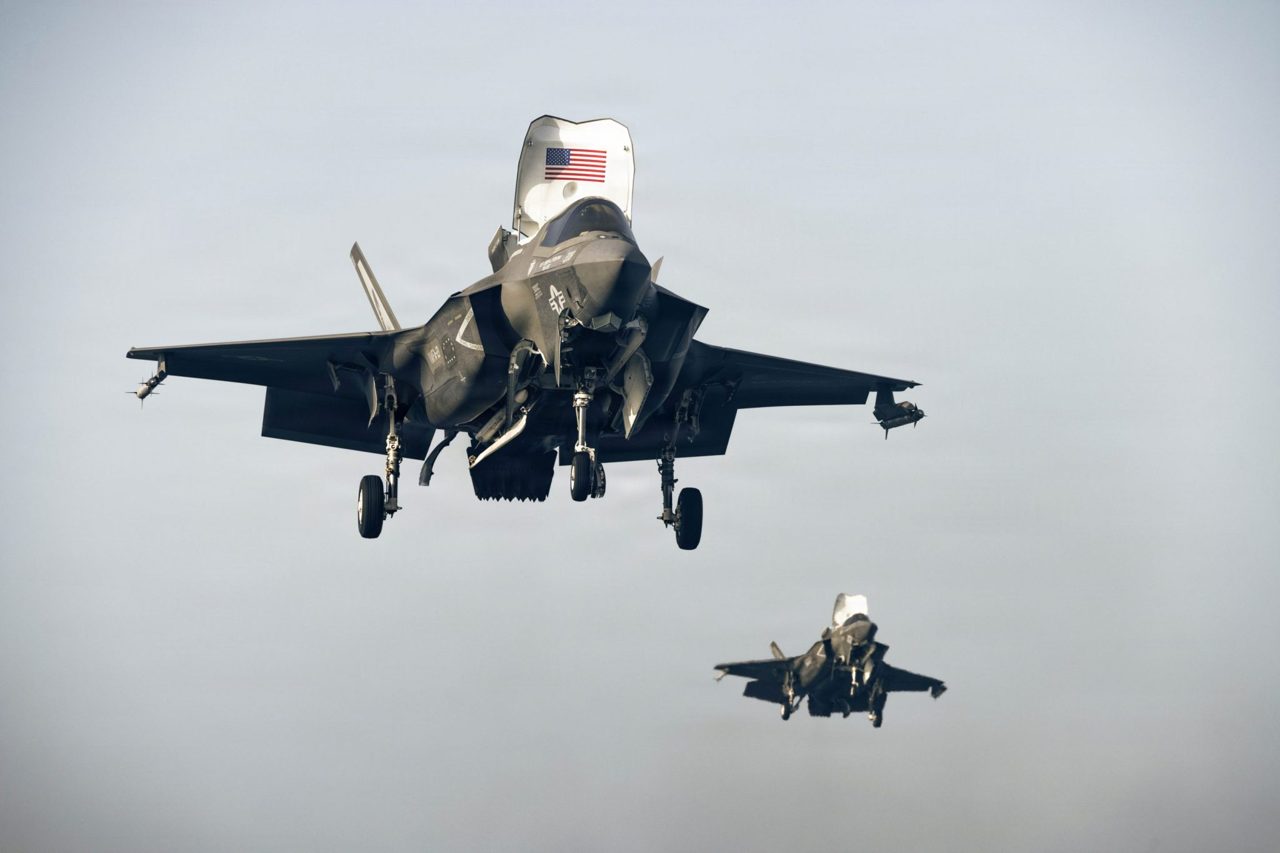
The killing of American service members has intensified the US-Iran conflict and pushed Brent crude above $90, while Washington's failure to secure an alternate shipping route through the Strait of Hormuz leaves global oil markets vulnerable.
The deaths of three American service members over the weekend have sharply escalated the US-Iran conflict, pushing oil prices higher and leaving financial markets bracing for a potential return to all-out war. Two troops were killed in Jordan by an Iranian attack, with a third missing, while another died in Iraq while disposing of a downed Iranian drone.
Futures markets reflected the rising geopolitical risk. Brent crude climbed 3.2% to $90.92 a barrel, and West Texas Intermediate gained 2.75% to $84.76. Equities showed a muted response, with Dow Jones futures down 61 points and S&P 500 futures off 0.05%, while Nasdaq futures edged up 0.08%. Gold dropped 0.53% to $3,997 per ounce.
The fatalities cross a red line that President Donald Trump had reportedly set as a threshold for ending the earlier ceasefire before signing a memorandum of understanding last month. That agreement has since collapsed, and the US military has responded to the deaths with continued daily bombardments of Iran.
However, the airstrikes have failed to achieve a critical objective for global energy supply. The US military has not secured an alternate corridor through the Strait of Hormuz that bypasses Iran’s approved route. Ship-tracking data shows no crossings via the US-backed channel and no shadow fleet movements, meaning commercial vessels remain excluded by Iranian drones and missiles.
This failure grants Tehran significant leverage at a time when global oil stockpiles are dwindling toward critically low levels. The strategic disadvantage is compounded by the possibility that Iran is deploying advanced weapons capable of evading US air defenses, putting American bases around the Persian Gulf at greater risk.
With military options narrowing, retired Admiral James Stavridis, a former NATO Supreme Allied Commander, warned that Trump faces three choices, "and none of them are good." Walking away would devastate the Gulf and global trade, while escalating to hundreds of daily strikes or introducing ground troops would be highly costly.
Stavridis noted the most probable path is the current "escalate to de-escalate" strategy of sustained bombing paired with tighter economic sanctions, leaving room for negotiations. He also warned the conflict could expand to disrupt an even larger share of global trade. "The Iranians are beginning to make noises about attempting to close that using the Houthis in the southwest corner of the Arabian Peninsula," Stavridis said of the Suez Canal. "So that ought to be in the back of everyone’s mind."