Multinationals automate China ops to counter local rivals
Global consumer groups are embedding AI and robotics into Chinese manufacturing and retail to protect margins against agile, cost-conscious local competitors.
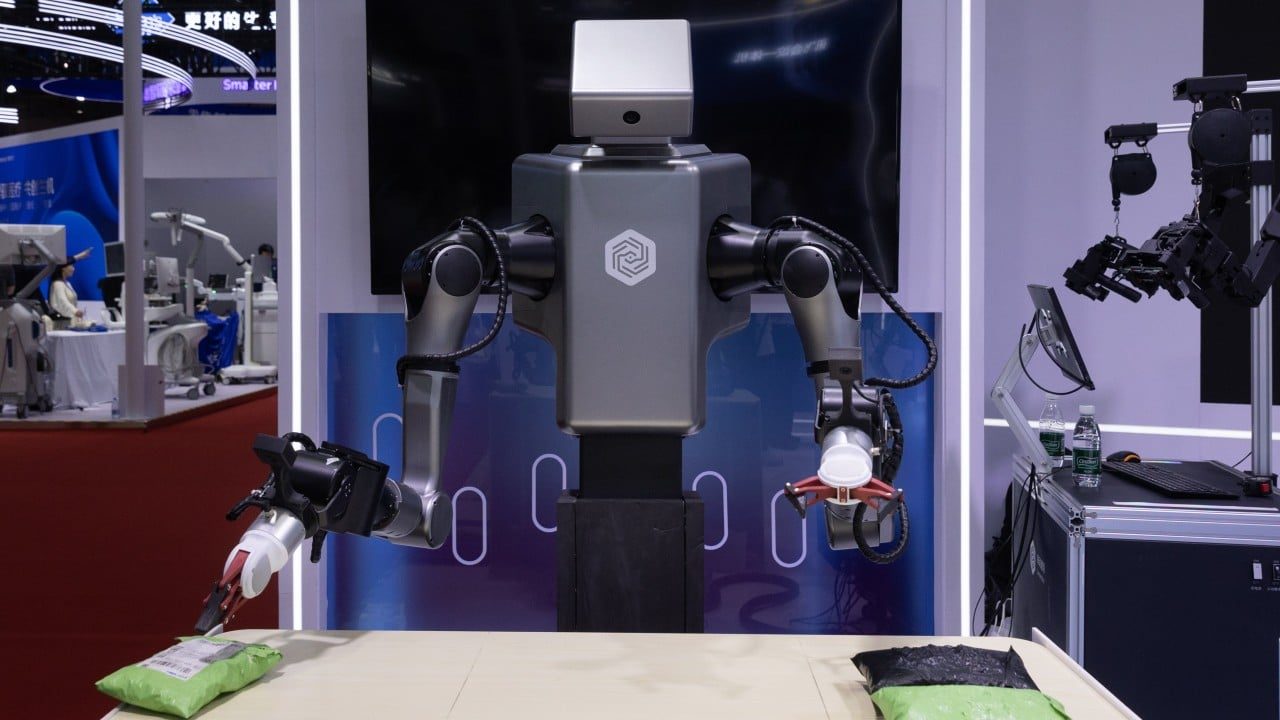
Multinational companies are expanding their use of artificial intelligence and robotics in China to navigate what analysts describe as "life or die" competition. Facing sharper local rivals and highly cost-conscious consumers, global brands are automating core operations to remain viable in the world’s second-largest consumer market.
L’Oréal is leading this capital deployment. The French cosmetics group opened the second phase of its UPX smart manufacturing workshop last month. The upgraded facility now features nine fully automated core production lines that integrate AI-powered quality inspection directly into the manufacturing process.
“China’s AI and robotics ecosystem is moving very quickly, and we want to grow and invest at the pace of local technology innovators,” said Marc-Antoine Poulle, L’Oréal’s senior vice-president of operations for North Asia and China. He made the remarks on June 11 at a ceremony marking the 30th anniversary of the company’s Suzhou plant, highlighting the strategic importance of the region.
The automation push extends beyond factory floors into retail and logistics, with Swire Group integrating AI across its customer service, aviation and logistics divisions. At Beijing Taikoo Place, Swire deployed TK Mates, an AI shopping assistant on its digital membership platform that delivers personalized recommendations to sustain engagement between physical mall visits.
A Shift in Capital Allocation
For investors, this trend underscores a fundamental change in how foreign businesses must compete in China, as traditional brand premiums are no longer sufficient to prevent consumers from defecting to cheaper local alternatives. By retrofitting legacy assets like L’Oréal's 30-year-old Suzhou facility with advanced robotics, multinationals are attempting to match domestic cost structures. Deploying AI in customer-facing applications serves a parallel function, defending retail revenue against price-driven brand switching without engaging in a race to the bottom on pricing.